


 中文简体
中文简体 Español
 日本語
日本語 0
0
How to Maintain Microfiber Towel Absorbency Over Time?
Content
Quick Answer
To keep microfiber towels absorbent, wash them in warm water with a small amount of mild detergent, skip fabric softener completely, rinse twice, and tumble dry on low-to-medium heat or line dry. Fabric softener and dryer sheets coat the microfiber strands with a waxy residue that blocks the capillary channels responsible for moisture-wicking, which is the single biggest cause of reduced absorbency over time.
Why Microfiber Towels Lose Absorbency
Microfiber is woven from split polyester and polyamide filaments far thinner than a human hair, which creates millions of tiny capillary channels that pull moisture away from a surface. Over time, three things clog these channels: oil and body lotion residue, detergent buildup from using too much soap, and softener coatings. A towel that once absorbed water instantly but now seems to push water around instead of soaking it up has almost always been affected by one of these three causes rather than simple fiber wear.
The Correct Washing Routine
Wash temperature, detergent amount, and rinse cycles all influence how long a microfiber towel keeps its original pull. The table below summarizes the settings that work best for sports towels, cooling towels, and other microfiber items.
| Wash Water Temperature | Warm, 30 to 40 degrees Celsius |
| Detergent Type | Liquid, mild, free of fabric softener additives |
| Detergent Amount | Half the regular dose to prevent residue buildup |
| Rinse Cycle | Double rinse or extra rinse setting |
| Items Washed Together | Microfiber only, separate from cotton lint sources |
| Wash Frequency | Every two to three uses for sports and gym towels |
Washing microfiber together with cotton towels or terry fabrics is a common mistake. Cotton sheds lint, and those fibers latch onto the rough surface of microfiber, filling the gaps between strands and reducing surface area available for moisture pickup. Keeping a separate wash load for microfiber sports towels, cooling towels, and yoga towels avoids this problem entirely.
Drying Without Damaging the Fibers
High heat is the second major threat to absorbency. Temperatures above 60 degrees Celsius can melt the tips of the split fibers, fusing them together and permanently closing the capillary channels. A medium or low heat setting, combined with a slightly shorter cycle, protects the fiber structure. Line drying in shade is the gentlest option and works particularly well for beach towels and bath towels that are large enough to dry quickly in open air. For a towel that has already gone slightly stiff, one wash with a half cup of white vinegar added to the rinse cycle, with no detergent at all, will dissolve mineral and soap residue and restore much of the original softness and pull within a single cycle.
What to Avoid Completely
Three habits shorten the working life of any microfiber towel: using fabric softener or dryer sheets, washing with bleach, and ironing. Bleach breaks down the polyester structure and weakens the weave, while ironing applies direct heat that can flatten and seal the fiber tips in the same way an overheated dryer does. Hand towels and kitchen towels made from microfiber blends are especially vulnerable since they are often washed at high temperatures to remove kitchen grease, so a dedicated low-heat cycle is worth the extra few minutes.
Microfiber Towel Collection
A look at microfiber-based towels engineered for fast absorption, quick drying, and repeated washing without losing performance, from gym sessions to travel and everyday cooling.
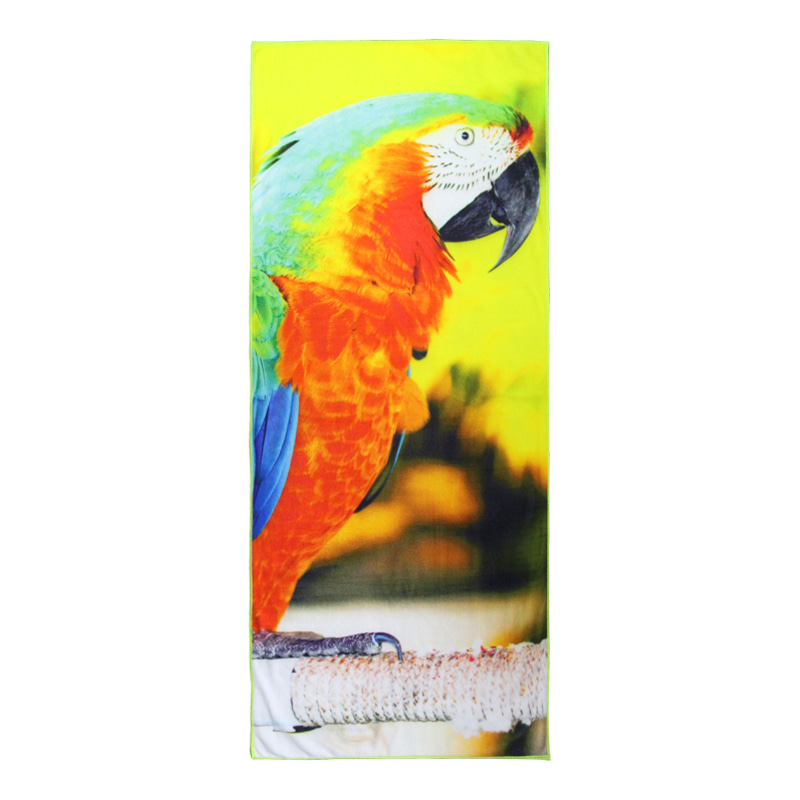
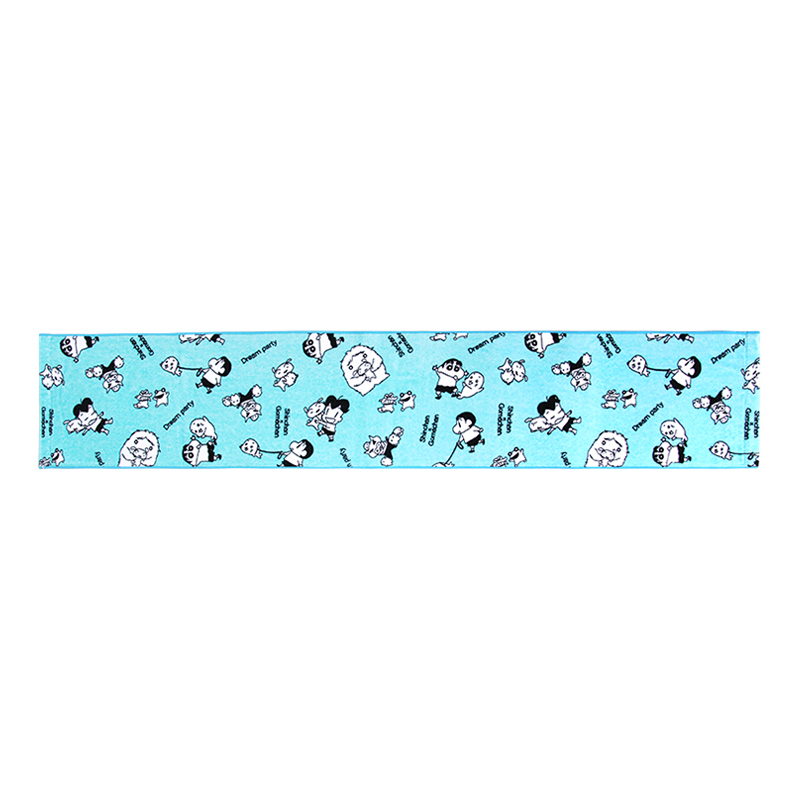
Microfiber Sports Towel
Sports Towel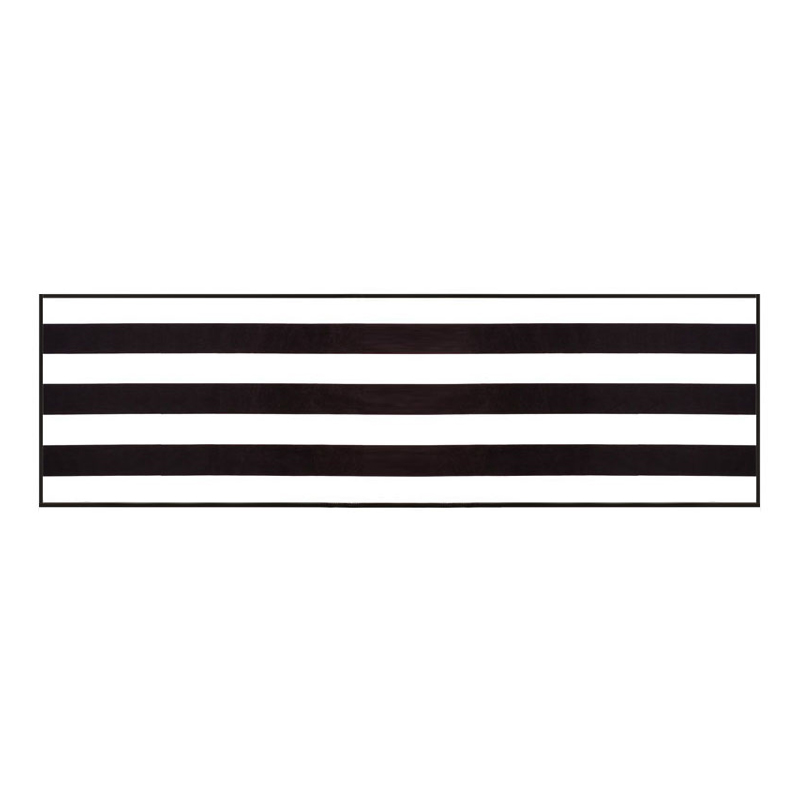
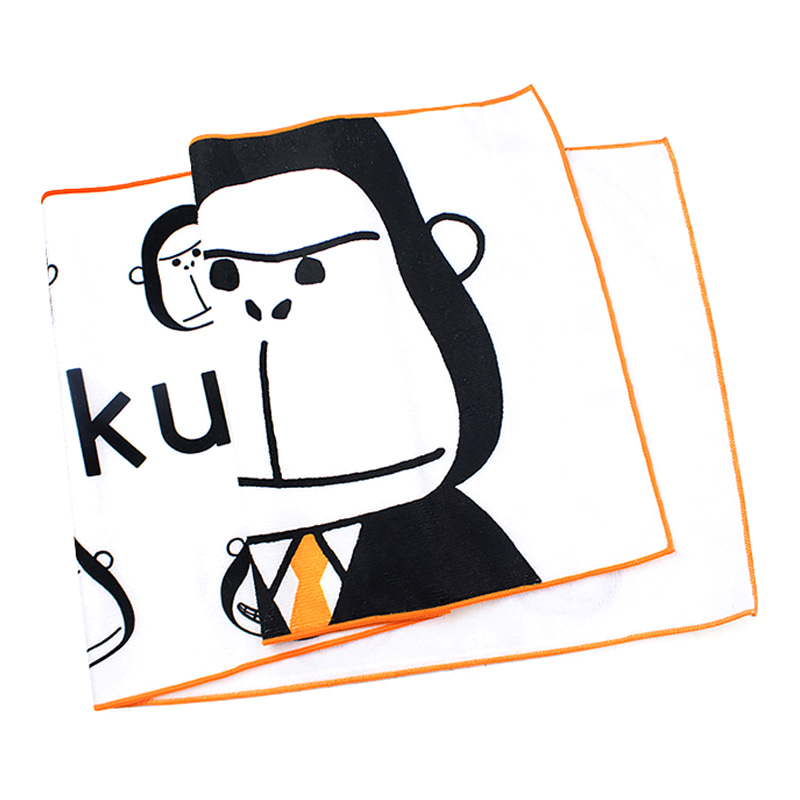
Quick-Drying Gym Sports Towel
Sports Towel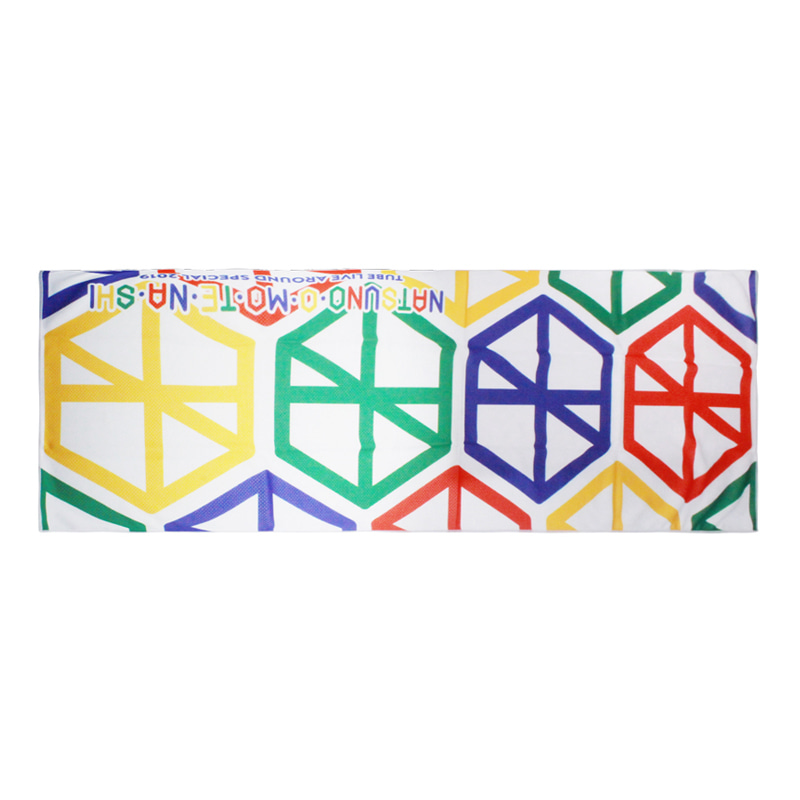
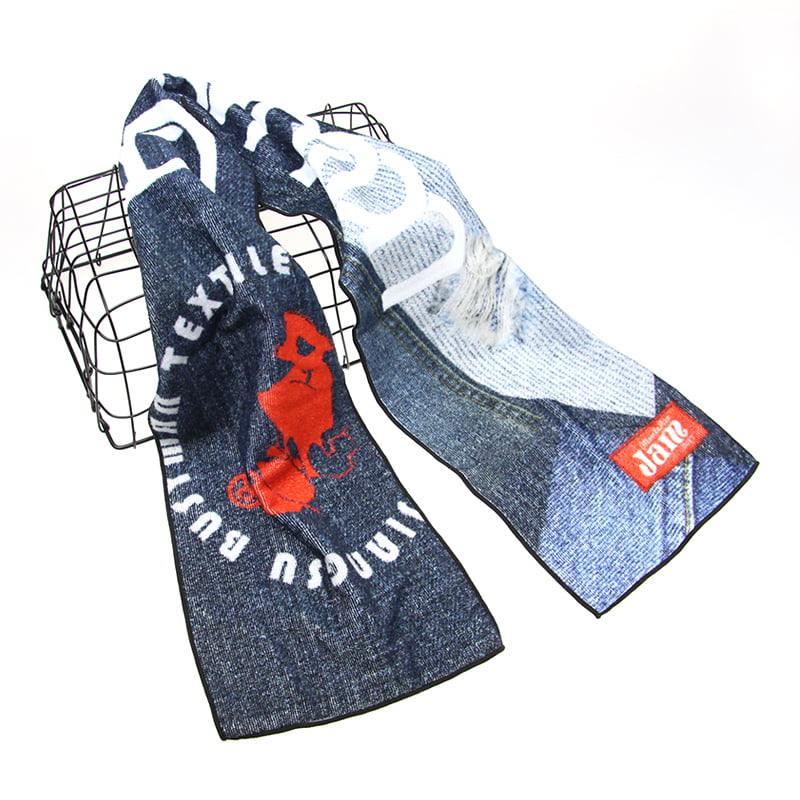
Sublimation Printed Cooling Towel
Cooling Towel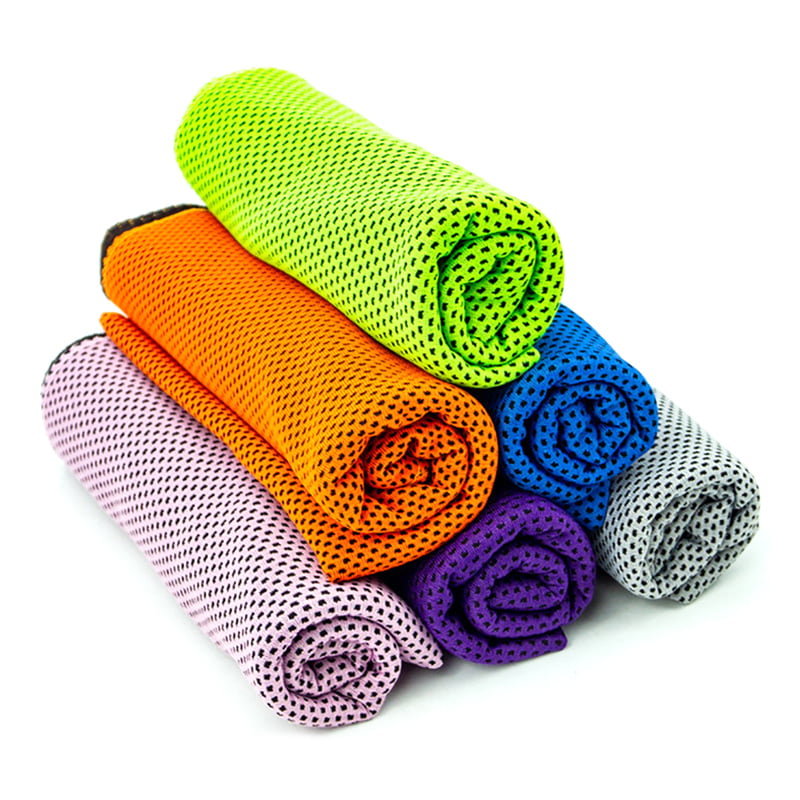
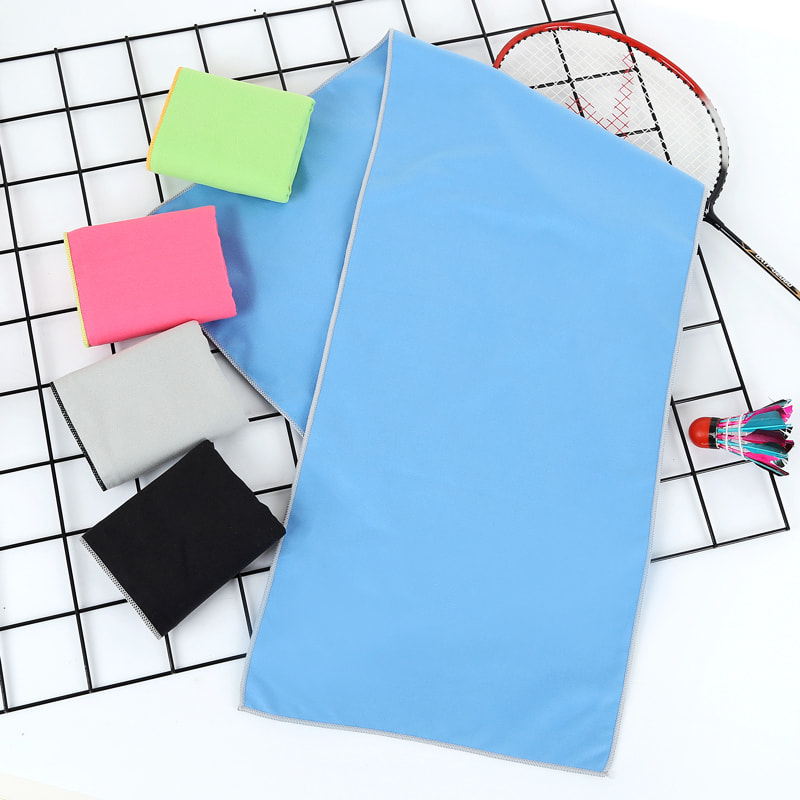
Polyester Solid Color Cooling Towel
Cooling Towel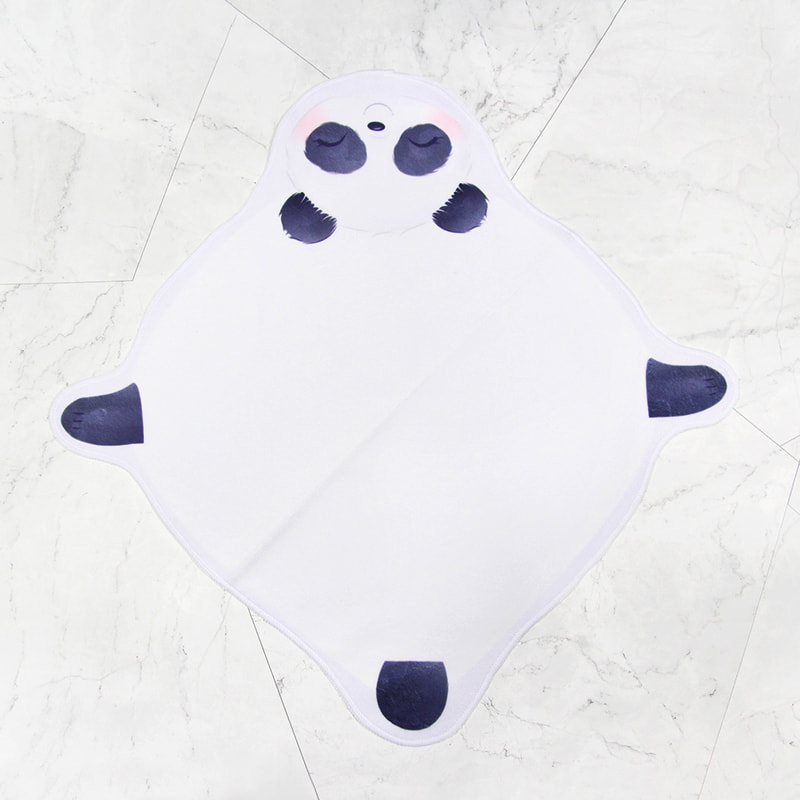
Multifunctional Microfiber Wrapper
Magic TowelHow Long Should Absorbency Last
With the care routine described above, a quality microfiber sports towel or cooling towel typically retains strong absorbency for 150 to 300 wash cycles, which translates to roughly one to two years of regular gym or training use. Beach towels and yoga towels used less frequently can last even longer. Once a towel takes noticeably more time to soak up the same amount of water despite proper washing, the fiber tips have likely fused from heat exposure and replacement is the more practical option than continued care.
Quick Reference Checklist
| Use mild liquid detergent only | Recommended |
| Add fabric softener | Avoid |
| Wash separately from cotton items | Recommended |
| Dry on high heat | Avoid |
| Occasional vinegar rinse for stiff towels | Recommended |
| Iron or bleach | Avoid |
LATEST POST
Let’s create something amazing together
contact usFeatured Products




-
Phone
+86-0513-84186888/84523388
+86 180 1522 2999
-
Email
admin@bulanren.cn
-
Address
No. 128-8 Taihangshan Road, Rudong Economic Development Zone, Juegang Town, Nantong City, Jiangsu Province, China
- Media


