


 中文简体
中文简体 Español
 日本語
日本語 0
0
Towel Selection Guide: GSM, Fabric and Finish by Use Case
Content
There is no single "best" towel — the right choice depends on three variables: GSM (fabric weight), fiber content, and finishing method. A 300 GSM face towel and a 600 GSM bath towel serve completely different purposes, and a cooling towel made from PVA fiber behaves nothing like a cotton beach towel. Matching these three factors to the intended use — bathing, sport, travel, kitchen, or bedding — is what separates a satisfied buyer from a returned order.
Matching GSM and Fabric Weight to Towel Type
GSM (grams per square meter) is the single most reliable spec for predicting how a towel will feel and perform. Lighter fabrics dry faster but hold less water; heavier fabrics feel plush but take longer to dry and cost more to ship. The table below shows typical ranges used across our product lines.
| Towel Type | Typical GSM | Primary Use | Dry Time |
| Face Towel | 300 - 400 g/m² | Facial cleansing, spa, salon | Fast |
| Hand Towel | 400 - 500 g/m² | Bathroom, kitchen sink, gifting sets | Medium |
| Bath Towel | 500 - 600 g/m² | Home, hotel, spa | Slow, high absorbency |
| Beach Towel | 380 - 450 g/m² | Poolside, sand resistance, print display | Medium |
| Kitchen Towel | 300 - 350 g/m² | Dishes, counters, low-lint wiping | Fast |
| Blanket | 300 - 600 g/m² | Bedding, throw, travel comfort | Not applicable |
Performance Towels: Sports, Cooling and Yoga
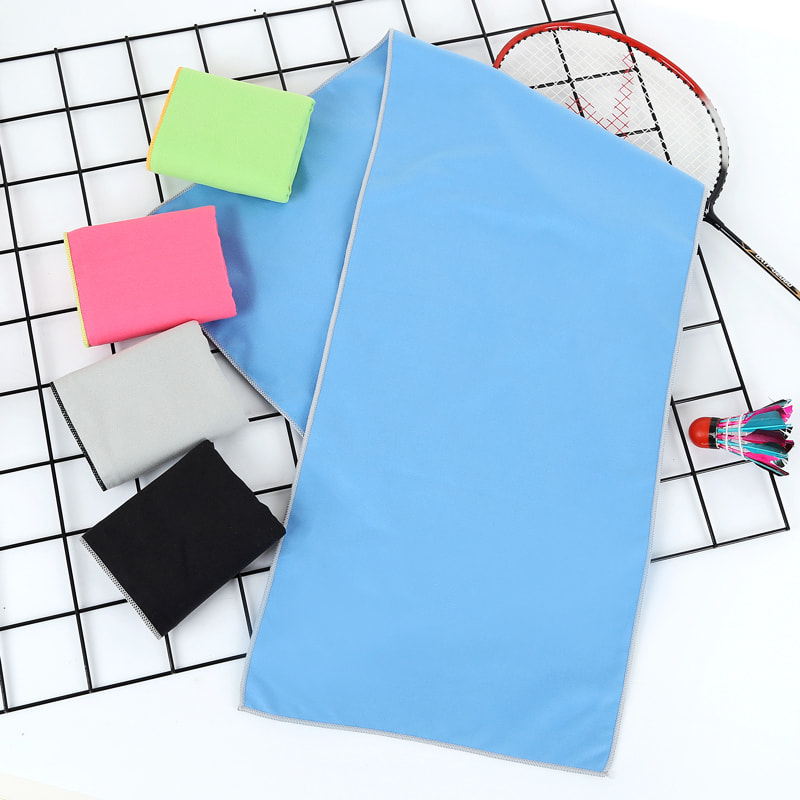
Sport-oriented towels are judged by how much moisture they hold relative to their own weight, not by GSM alone. Cooling towels made from PVA (polyvinyl alcohol) fiber generally absorb far more water than cotton, which is why they stay damp and cool for hours after a single soak. Sports towels favor quick-dry microfiber blends, while yoga towels prioritize surface grip over raw absorbency.
Featured Products From Our Line
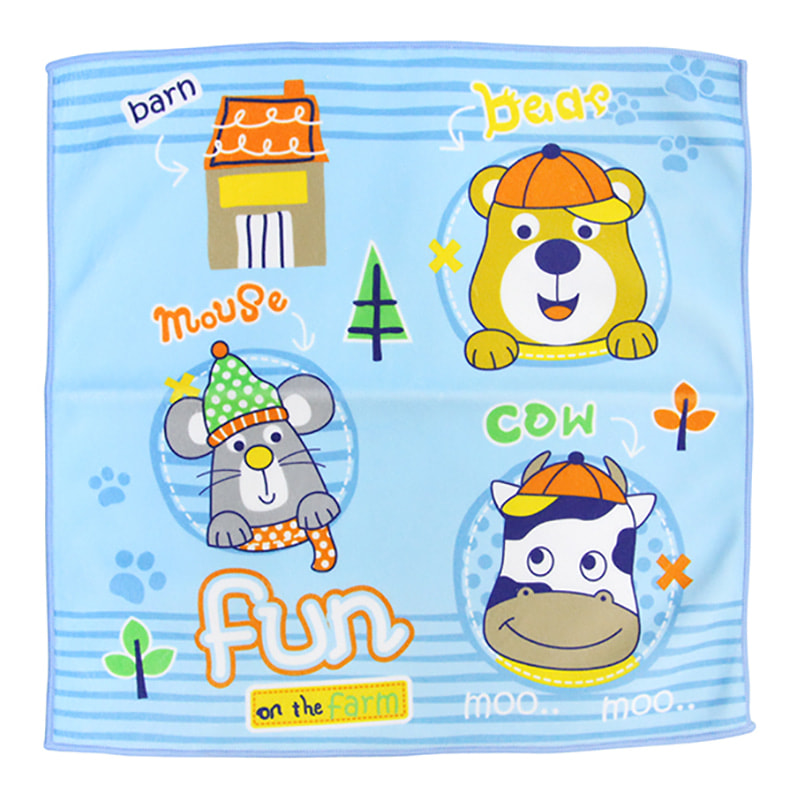
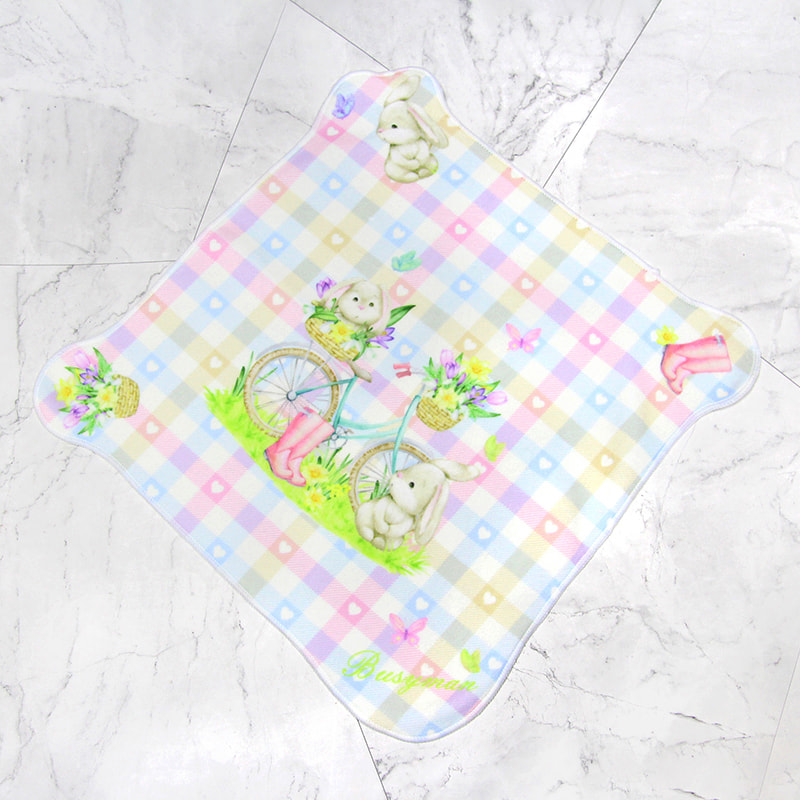
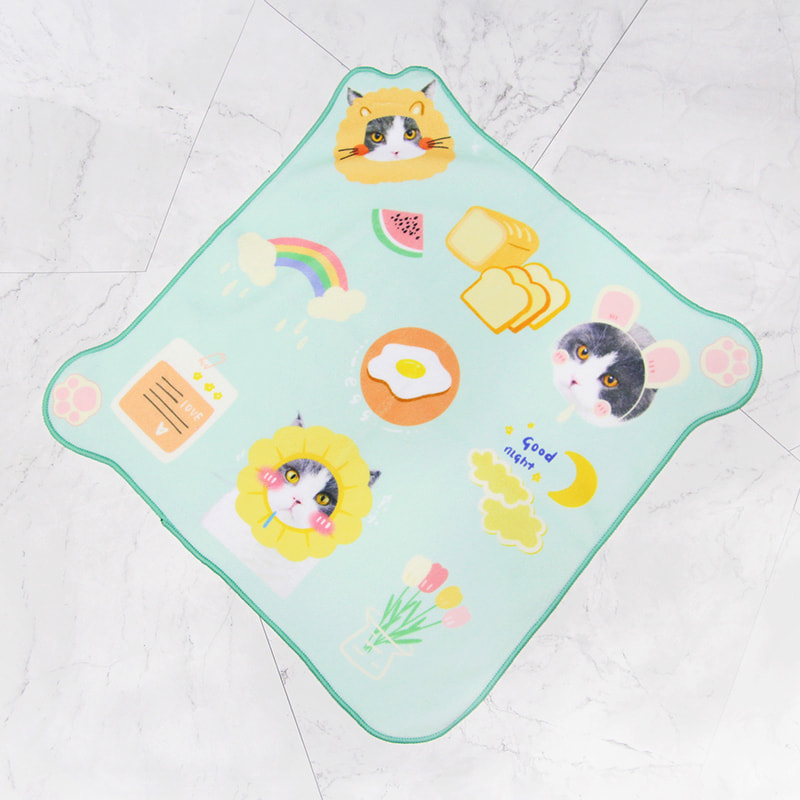
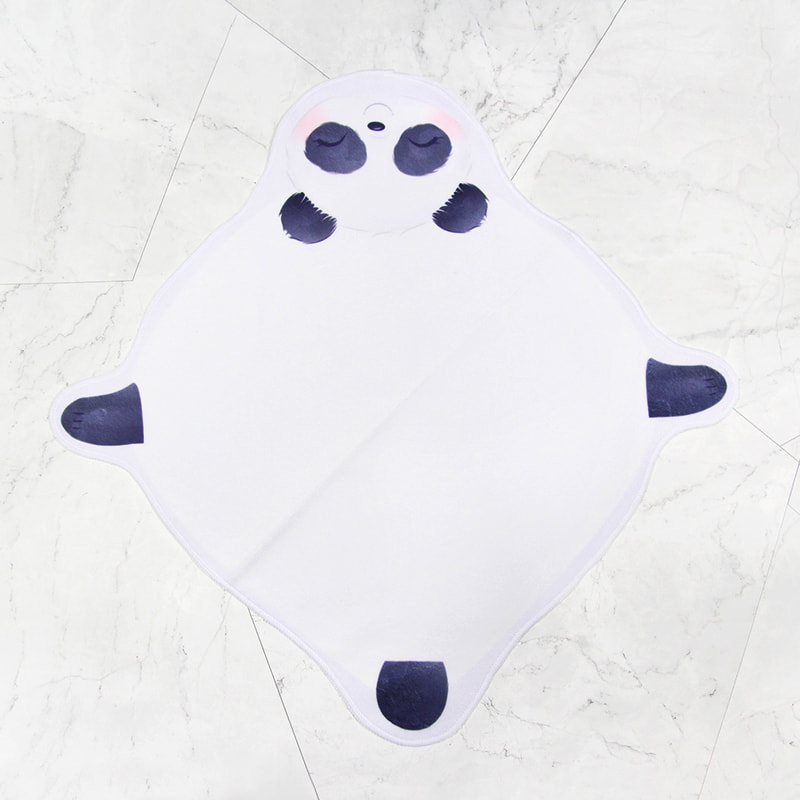
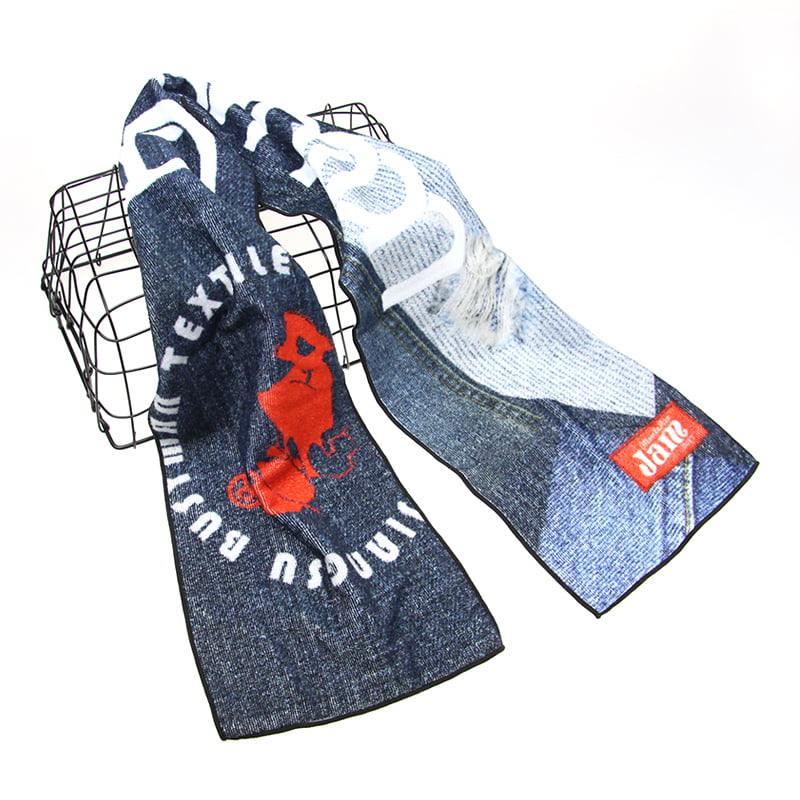
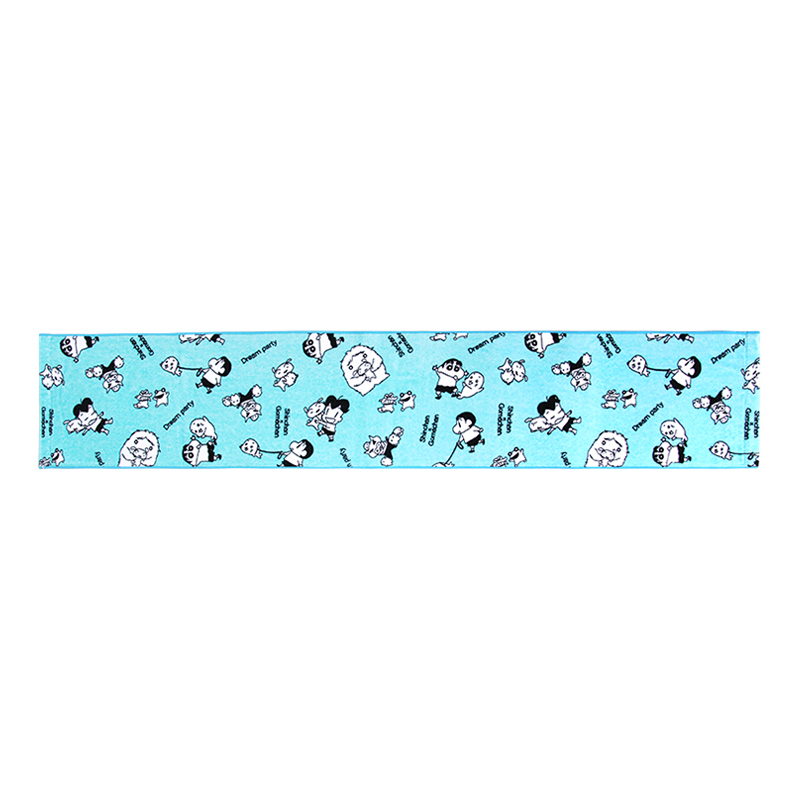
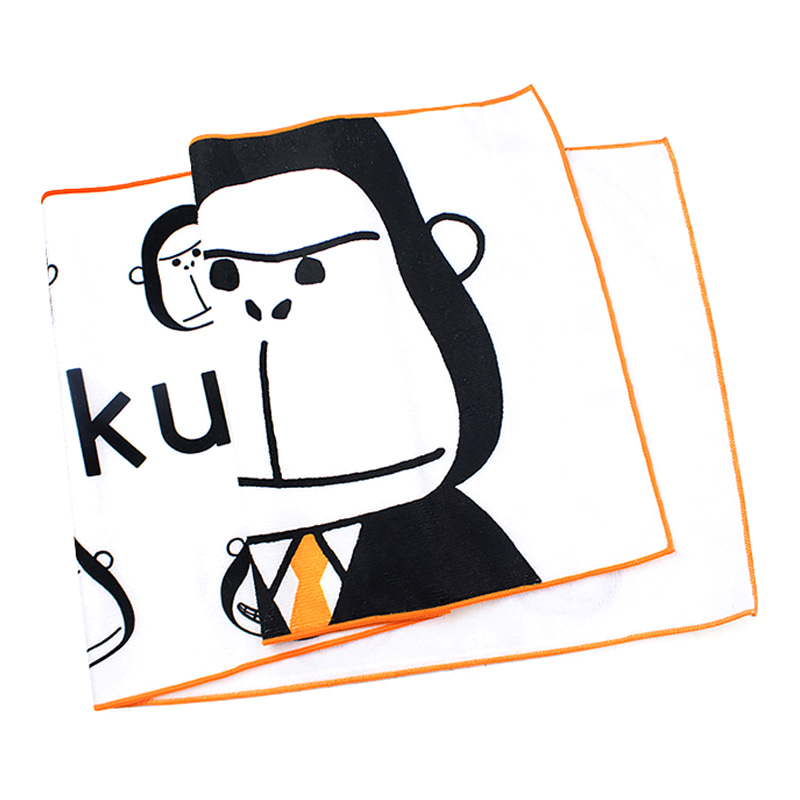
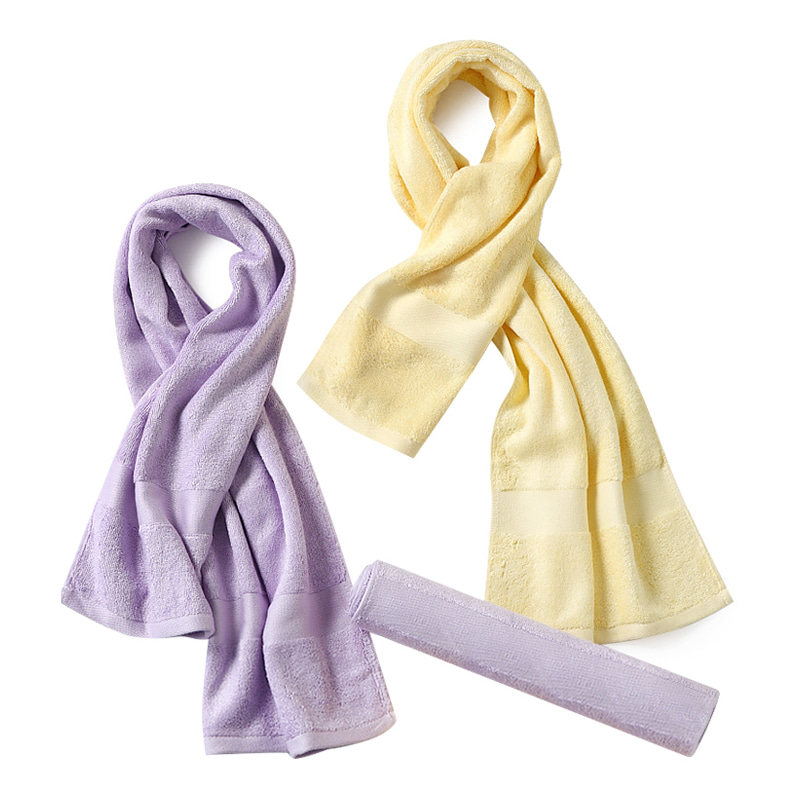
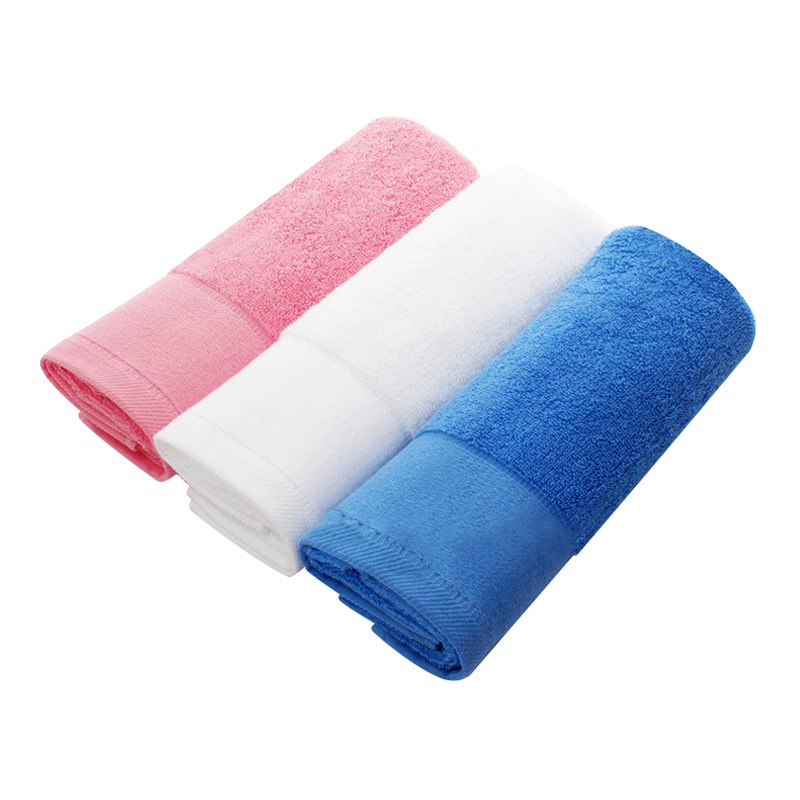
A few specific items that illustrate how weight, fiber and printing method come together in production, spanning sports, cooling and bath categories.
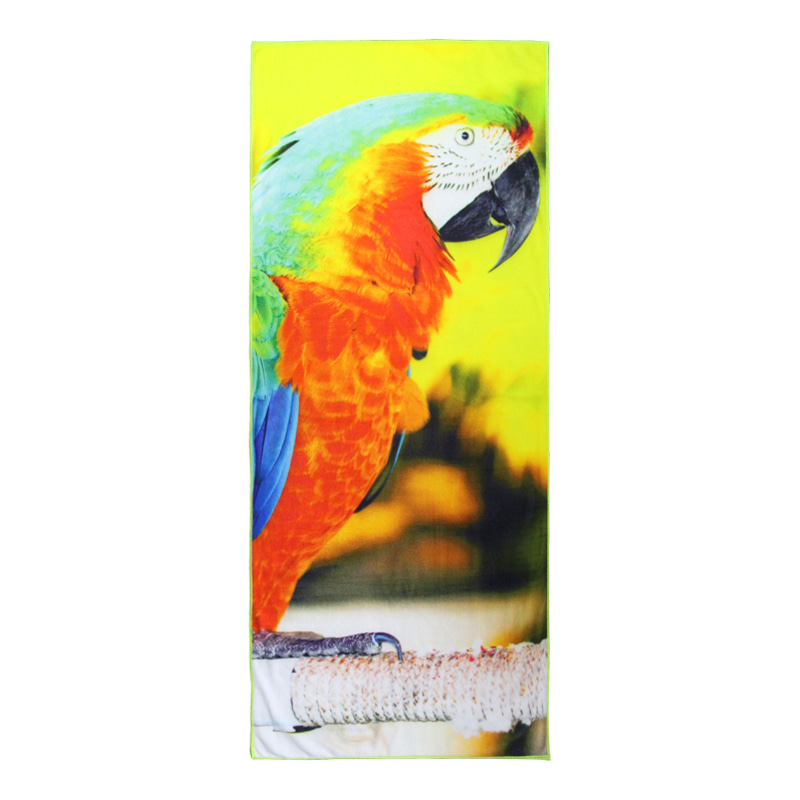
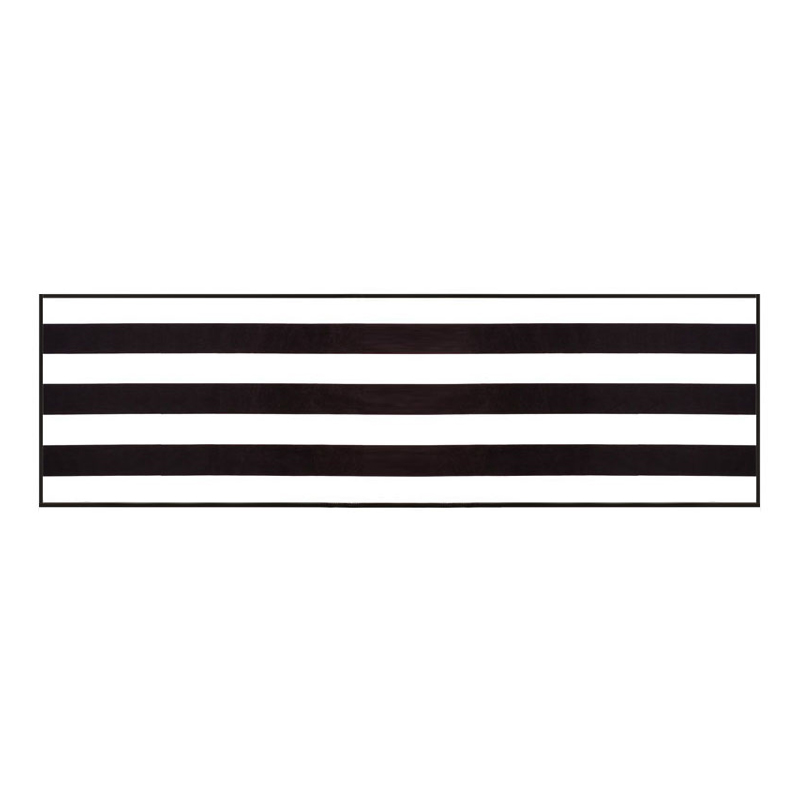
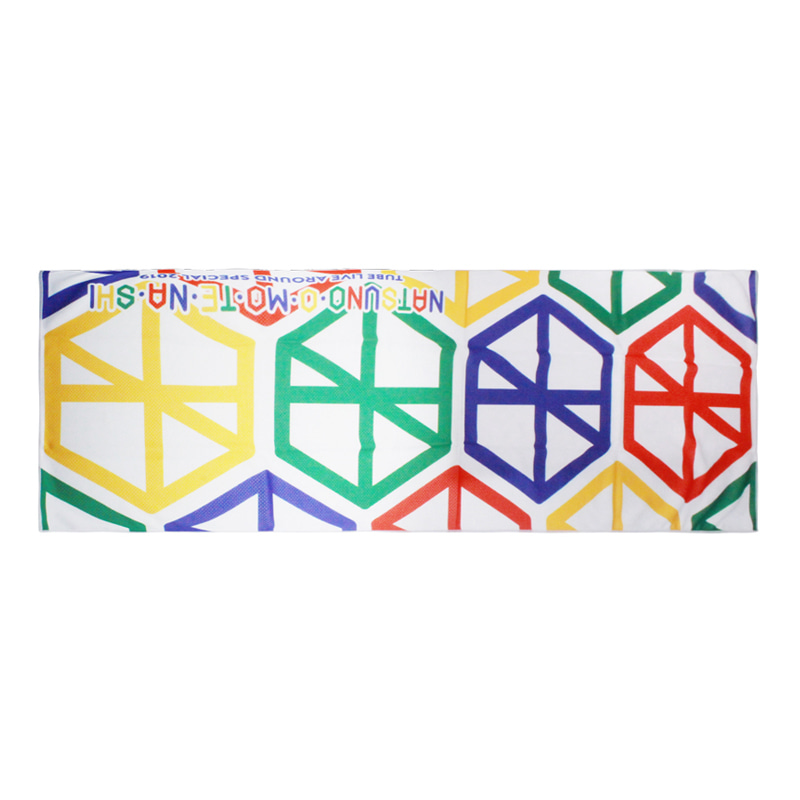
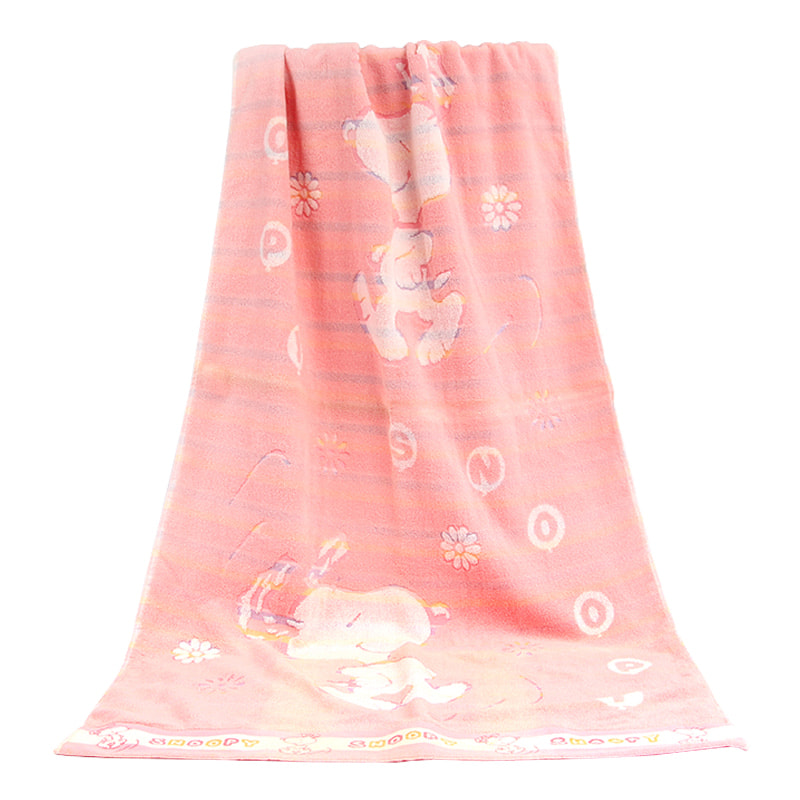
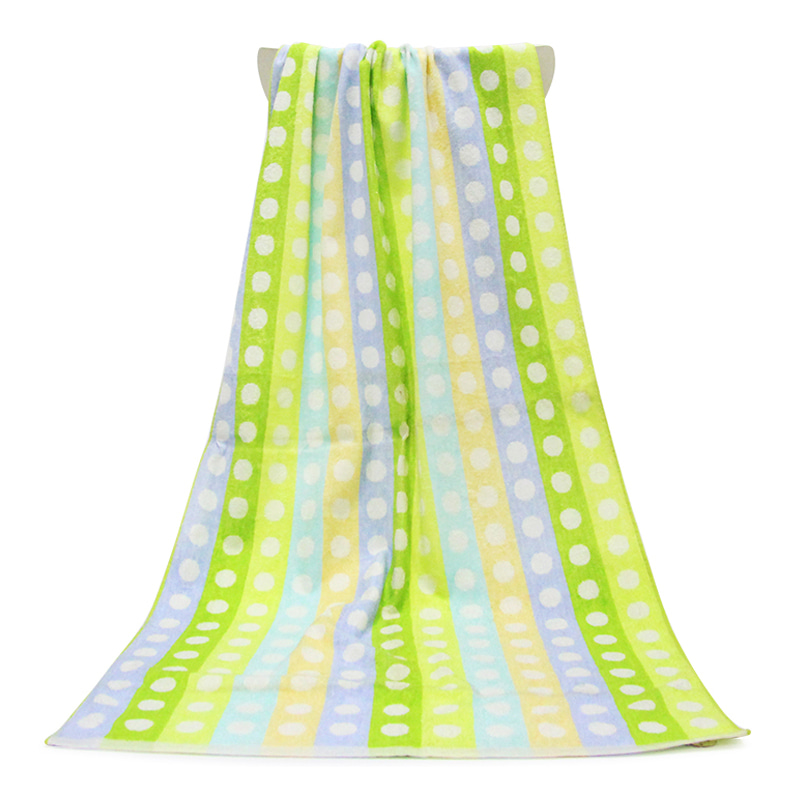
Printing and Finishing Methods Affect More Than Looks
Everyday Textiles: Kitchen Towels and Blankets
Lower GSM combined with a tighter weave reduces lint transfer onto dishes and glassware, which is the main complaint buyers raise about budget kitchen towels. Look for combed cotton at 300 to 350 g/m² for a balance of absorbency and low shedding.
Unlike towels, blankets are chosen for warmth and drape rather than water absorption. Cotton and flannel blends in the 300 to 600 g/m² range cover most retail and hospitality throw-blanket demand, with jacquard and sublimation printing both common for branded editions.
A Practical Checklist Before Placing an Order
- Confirm the GSM range that matches the end use, not just the towel category name.
- Match fiber to function — cotton for softness and absorbency, microfiber or PVA blends for quick-dry and cooling performance.
- Choose a finishing method based on order size: digital printing for small runs and complex graphics, jacquard for large hospitality orders.
- Request a physical sample before committing to bulk production, especially for cooling towels and yoga towels where hand feel matters most.
- Check MOQ and lead time together, since low-MOQ digital printing can shorten sampling from over 15 days to about 3 days.
LATEST POST
Let’s create something amazing together
contact usFeatured Products



-
Phone
+86-0513-84186888/84523388
+86 180 1522 2999
-
Email
admin@bulanren.cn
-
Address
No. 128-8 Taihangshan Road, Rudong Economic Development Zone, Juegang Town, Nantong City, Jiangsu Province, China
- Media


