


 中文简体
中文简体 Español
 日本語
日本語 0
0
How to Stop Towels from Shedding for Good: Causes, Fixes & Buying Tips
Content
- 1 Stop Picking Fuzz Off Your Skin — Here Is What Actually Works
- 2 Why Do Towels Shed in the First Place?
- 3 Five Ways to Stop Towels from Shedding
- 4 The Right Washing Routine for Shedding Towels
- 5 How to Buy Towels That Shed Less from the Start
- 6 Low-Shedding Towels Worth Trying
- 7 Frequently Asked Questions About Towel Shedding
Stop Picking Fuzz Off Your Skin — Here Is What Actually Works
You step out of a warm shower, reach for a freshly folded towel, and within seconds your arms and shoulders are covered in tiny balls of lint. The towel feels soft, but it is leaving more fabric on your skin than it is absorbing water.
The short answer is that shedding is normal for new towels, especially cotton terry towels. Loose fibers that were not fully locked into the yarn during spinning and weaving sit on the surface, and they detach the moment the towel touches wet skin or moves through a wash cycle. The problem is temporary in most cases, and it can be managed with the right washing routine and, more importantly, avoided altogether with the right fabric choice.
This guide covers why towels shed, five proven remedies that work with towels you already own, and the weave and material factors you should check before buying your next set.
Why Do Towels Shed in the First Place?
Towel shedding happens when short, loose cotton fibers work their way out of the yarn structure. During weaving, terry loops are cut and raised to create the absorbent surface. Not every fiber stays anchored inside the yarn; some protrude just enough to become detached during use and washing.
Three factors determine how much a towel sheds:
- Fiber length — cotton with short staples creates more loose ends that escape the yarn core.
- Yarn construction — tightly twisted, combed yarn holds fibers in place much better than open-end yarn.
- Finishing quality — some dyeing and softening processes leave residue that glues loose fibers to the pile surface.
Cheap towels made from short-staple cotton shed noticeably more. Higher-quality towels made from combed long-staple cotton also release some fiber during the first few washes, but the shedding stops quickly because the yarn structure is much more stable.
Five Ways to Stop Towels from Shedding
Wash New Towels Before First Use
Never use a brand-new towel straight out of the package. Wash it alone in cool water (30 °C to 40 °C) before first use. The first wash removes the loose surface fibers that would otherwise end up on your skin. Repeat the cycle if you still see lint in the lint trap.
Add White Vinegar to the Rinse Cycle
Pour 250 ml of plain white vinegar into the fabric softener compartment or add it directly during the rinse cycle. Vinegar is mildly acidic and helps relax the twisted cotton fibers, making surface lint separate from the fabric so it can be rinsed away instead of clinging to your body.
Use Baking Soda for a Deep Clean
Replace half of your normal detergent dose with 60 g of baking soda. Baking soda lifts embedded fibers and residue from the weave without aggressive chemicals. It also neutralises mineral deposits from hard water that make lint stick to the towel surface.
Try the Freezer Trick
Fold the towel, place it in a plastic bag, and leave it in the freezer for 12 to 24 hours. The ice crystals that form on the protruding fibers make them brittle. When the towel thaws and goes into the washing machine, those weakened fibers break off and wash away instead of rubbing against your skin.
Shake Vigorously Before Drying
Before you put a damp towel in the dryer or hang it on a line, give it two or three firm shakes. This simple action releases a surprising amount of loose lint. If you use a dryer, clean the lint trap mid-cycle once and add a wool dryer ball to reduce static so lint falls off instead of staying attached.
The Right Washing Routine for Shedding Towels
Most shedding problems are made worse by the washing process, not the towel itself. Too much detergent leaves residue that glues loose fibers to the surface. Fabric softener coats the cotton and prevents the pile from releasing lint. High temperatures shrink and roughen the yarn loops, creating more loose ends.
| Care Step | What to Do | Why It Helps |
|---|---|---|
| First wash | Cool water (30–40 °C), no softener | Removes loose fibers before they touch your skin |
| Detergent | Half the normal dose | Prevents residue that binds lint to the fabric |
| Rinse | 250 ml white vinegar in the softener slot | Relaxes fibers and releases trapped lint |
| Drying | Line dry or low-heat tumble | High heat shrinks and roughs the yarn pile |
| Extra wash | Repeat cool wash if the lint trap is full | Removes the remaining loose fibers |
Following this routine for the first two or three washes brings most cotton towels to a stable, lint-free state. If a towel still sheds heavily after five washes, the problem is usually the fabric construction, not your care routine.
How to Buy Towels That Shed Less from the Start
Prevention is always more comfortable than cure. When you buy towels, check the material and construction details before you commit to a set.
Combed and long-staple cottons are the safest choice for home and hotel use because the fibers are smooth, strong and less likely to break. Microfiber towels are nearly lint-free by nature, while bamboo fiber towels sit somewhere in between with a soft hand feel.
What to Check Before You Buy
Three specifications are worth checking, especially if you are ordering towels in bulk.
GSM and weave density. A towel with a dense terry pile, usually 450 GSM and above, holds its loops tighter than a fluffy but loosely constructed towel. High-density loops leave fewer loose ends exposed.
Yarn construction. Look for combed or ring-spun yarn. These yarns are twisted harder, so fewer fiber ends protrude from the surface.
Finishing process. Some factories pre-wash towels or run them through a gentle finishing treatment that removes loose lint before packing. Ask whether this step is included.
You can also ask the supplier directly about their shedding control process when ordering towels with a low shedding rate for a hotel or retail line. If you are buying bath towels for daily use, a combed yarn construction like the one used in our custom ultra-soft cotton bath towel will shed far less than standard open-end yarn.
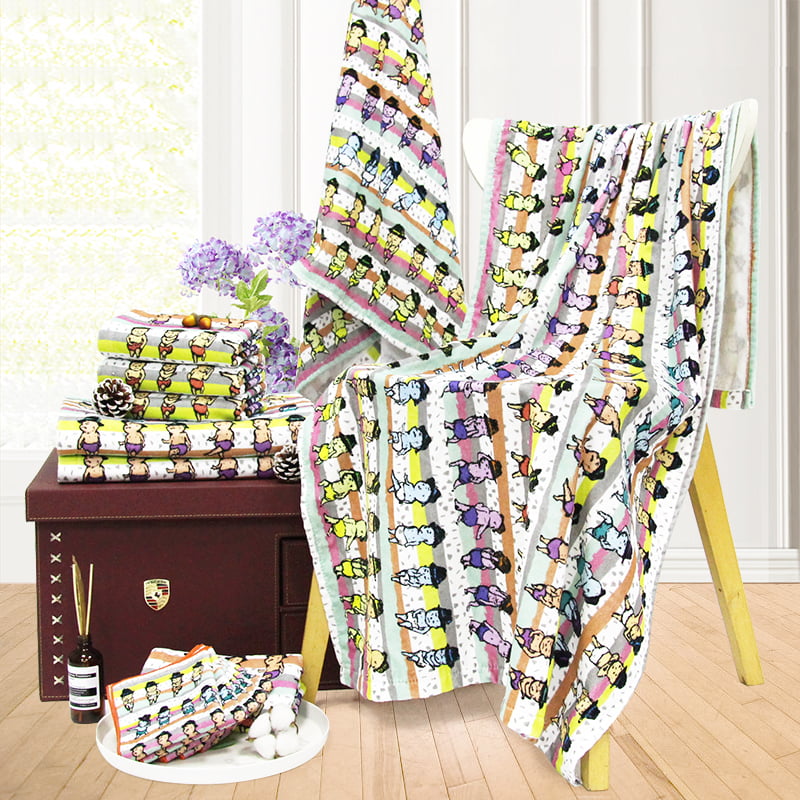 Wholesale Ultra Soft Cotton Bath Towel With Logo Suppliers, Company - Jiangsu BuJiangsu Busy Man Textile Co., Ltd is China Ultra Soft Cotton Bath Towel With Logo suppliers and Ultra Soft Cotton Bath Towel With Logo co...View Product →
Low-Shedding Towels Worth Trying
If you want to skip the trial-and-error phase entirely, choose towels made from combed cotton with a dense terry weave. Our factory uses combed long-staple cotton and binds the loops tightly so the towels stay soft and absorbent without covering you in lint.
For a denser, hotel-grade option, the cotton terry luxury bath towel for hotel use is woven with tight terry loops that keep their pile wash after wash, which is why hotel buyers often choose it.
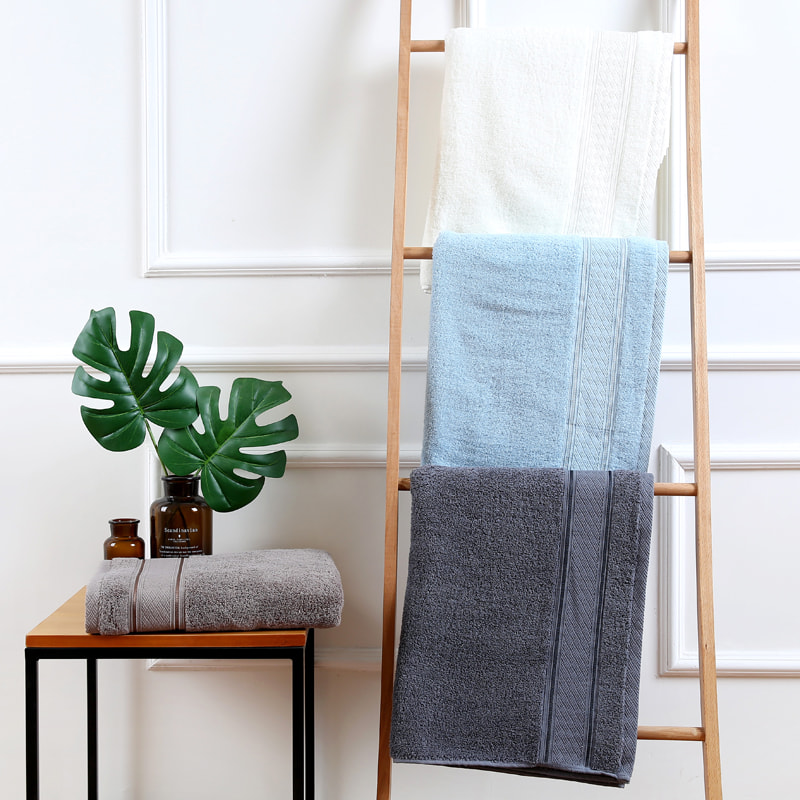 Wholesale Cotton Terry Luxury Bath Towel For Hotel Suppliers, Company - Jiangsu Jiangsu Busy Man Textile Co., Ltd is China Cotton Terry Luxury Bath Towel For Hotel suppliers and Cotton Terry Luxury Bath Towel For Hote...View Product →
For the face, choose a soft cotton printed face towel. The lighter weight dries quickly, and the combed surface stays smooth against sensitive skin.
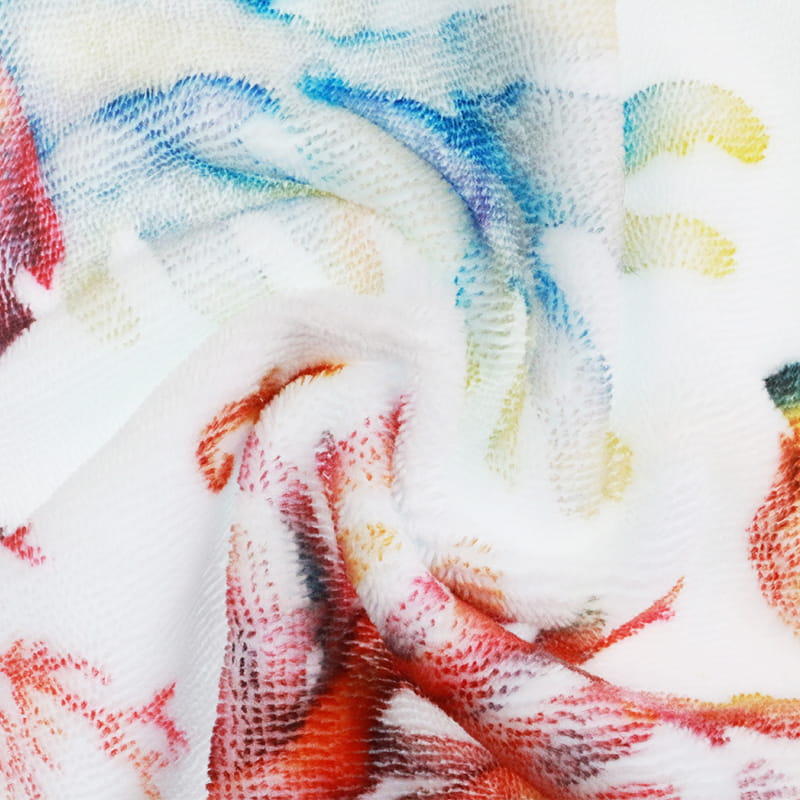 Wholesale Soft Cotton Printed Face Towels Suppliers, Company - Jiangsu Busy Man Jiangsu Busy Man Textile Co., Ltd is China Soft Cotton Printed Face Towels suppliers and Soft Cotton Printed Face Towels company, Profess...View Product →
For buyers who need a complete evaluation checklist before placing a wholesale order, our article on how to judge towel quality covers the physical tests we run in production. And if you already own microfiber towels that are collecting lint, there are practical ways to restore them — see our guide on removing lint from microfiber towels.
Frequently Asked Questions About Towel Shedding
Is it normal for new towels to shed?
Yes. Most cotton towels release loose fibers during the first two or three washes, then the fabric stabilises. Heavy shedding that continues beyond five washes usually points to poor yarn quality.
Does vinegar make towels smell?
No. The vinegar rinses away completely during the spin cycle and actually removes odour-causing residue. Towels dried properly will not smell of vinegar.
Can fabric softener stop towels from shedding?
No. Fabric softener coats the fibers and traps lint against the pile surface. Skip softener for at least the first five washes.
How many washes until shedding stops?
With the routine described above, most quality cotton towels stop shedding within two washes. Towels made from short-staple cotton may keep shedding for many cycles and will need extra vinegar rinses.
Do microfiber towels shed at all?
Very little. Microfiber is made from continuous synthetic filaments, so there are no short cotton staples to break free. That makes microfiber a practical choice for gym and travel use.
LATEST POST
Let’s create something amazing together
contact usFeatured Products

-
Phone
+86-0513-84186888/84523388
+86 180 1522 2999
-
Email
admin@bulanren.cn
-
Address
No. 128-8 Taihangshan Road, Rudong Economic Development Zone, Juegang Town, Nantong City, Jiangsu Province, China
- Media


