


 中文简体
中文简体 Español
 日本語
日本語 0
0
How to Wash Towels So They Stay Soft and Odor-Free?
Content
- 1 How Often to Wash Different Towel Types
- 2 Washing Temperature and Detergent
- 3 Towel Categories Covered in This Care Routine
- 4 Drying Methods That Preserve Absorbency
- 5 Common Mistakes That Cause Stiff or Smelly Towels
- 6 The Three-Step Towel Care Routine
- 7 Why This Matters for Buyers Sourcing Towels in Bulk
Wash towels every three to four uses in warm water around 40 degrees Celsius, using a moderate amount of regular detergent with no fabric softener, then tumble dry on medium heat or line dry fully before folding.
Skipping any one of these steps is usually why towels turn stiff, lose absorbency, or develop a musty smell over time. Wash frequency, water temperature, detergent choice and drying method each affect the fiber differently, and getting one wrong undoes the benefit of getting the other three right.
How Often to Wash Different Towel Types
Washing frequency depends on what the towel touches and how much moisture it holds after use, not on a fixed weekly schedule.
A towel that air-dries fully between uses can stretch toward the longer end of its range. A towel left damp in a hamper should be washed sooner, regardless of type.
Washing Temperature and Detergent
Hot water is not automatically better. Water around 40 degrees Celsius is hot enough to remove body oil and bacteria on a normal wash cycle, without breaking down cotton fibers as quickly as repeated washing at 60 degrees or higher.
Excess detergent does not rinse out fully and leaves a residue that stiffens fabric and traps odor over time.
Softener coats cotton fibers with a thin film that blocks water absorption, which is why a towel can look fine but dry you poorly.
Towels need room to move through water and detergent; a packed drum leaves some towels under-rinsed.
Towel Categories Covered in This Care Routine
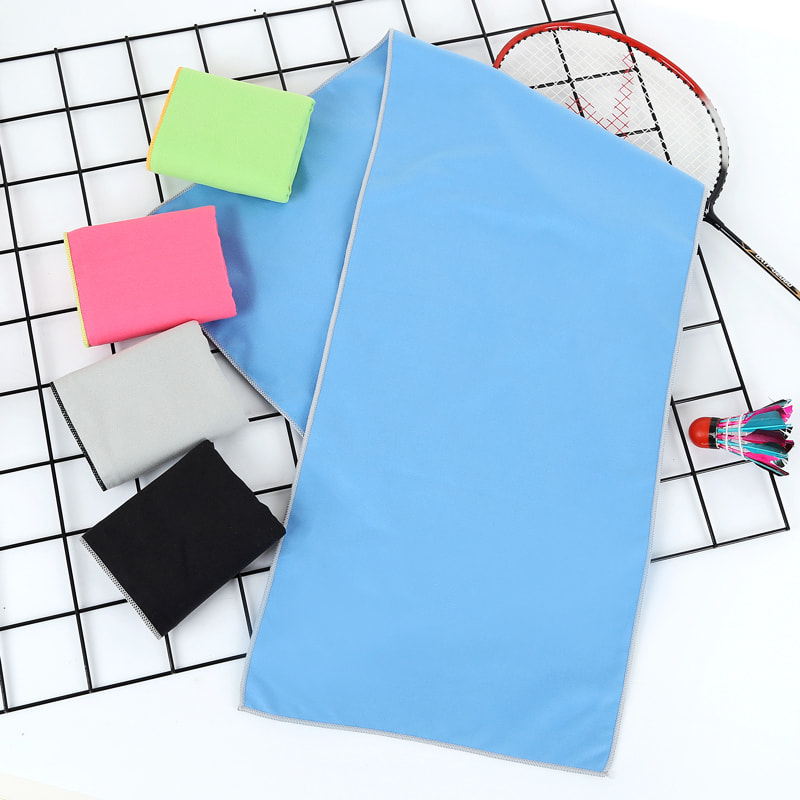
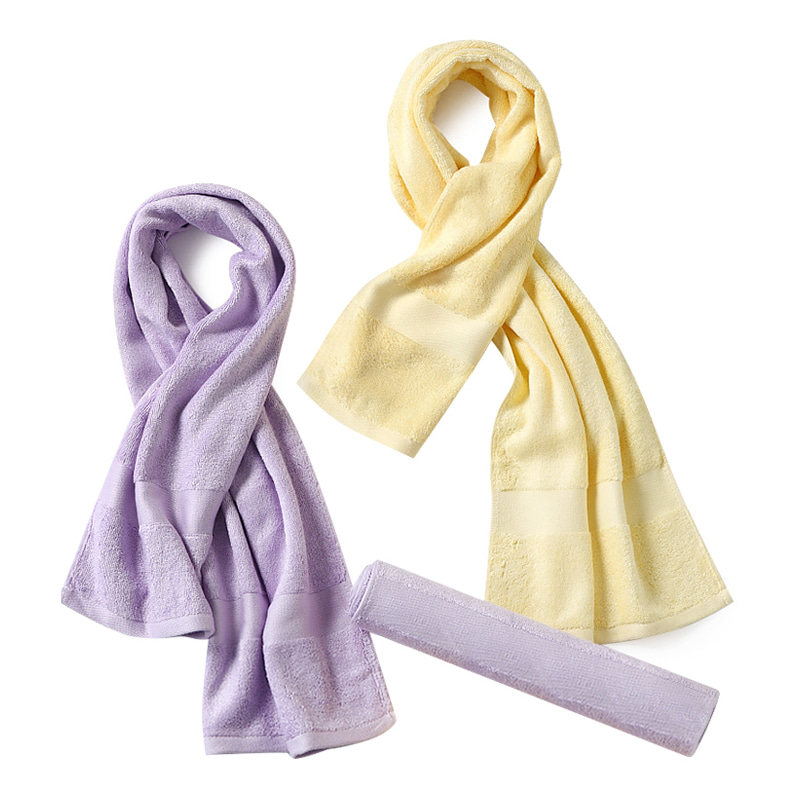
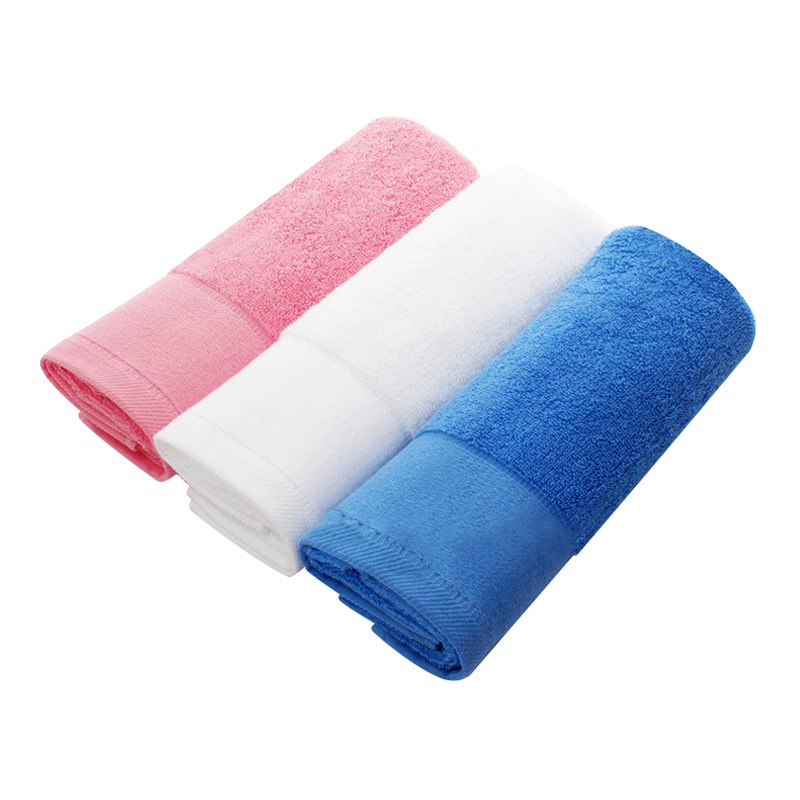
Each towel type discussed above is built from a different fabric weight, which is part of why laundering needs vary from one category to the next.





Drying Methods That Preserve Absorbency
How a towel dries affects its fibers as much as how it is washed.
Medium heat fluffs cotton loops back up after washing, which is part of why machine-dried towels often feel softer than line-dried ones.
Gentler on fiber structure and better for towel lifespan, but towels should be shaken out and fully dried in circulating air rather than left partially damp.
Storing towels while still slightly damp is the single biggest cause of mildew odor. A towel needs to be completely dry before it goes into a closed drawer or cabinet.
Common Mistakes That Cause Stiff or Smelly Towels
| Mistake | What Happens | Simple Fix |
| Fabric softener every wash | Residue coats fibers and blocks absorption | Use rarely, or a little white vinegar in the rinse instead |
| Wet towels bunched in a hamper | Bacteria grow in trapped moisture within hours | Hang towels to air out before adding to the laundry basket |
| Washing with heavily soiled clothing | Dirt and lint transfer onto towel fibers | Wash towels in their own load, or with lightly soiled items only |
| Over-drying on high heat repeatedly | Cotton fibers become brittle over time | Use medium heat and remove towels as soon as the cycle ends |
The Three-Step Towel Care Routine
Reusing the same towel more than four to five times lets odor-causing bacteria build up faster than washing removes them, which is why a fixed rotation matters as much as the wash itself.
Why This Matters for Buyers Sourcing Towels in Bulk
For hotels, gyms and spas managing large towel inventories, the same principles scale up directly. A towel's fiber quality and fabric weight determine how well it tolerates frequent commercial washing without losing softness or absorbency. Lower-quality cotton and loosely looped terry fabric break down faster under repeated hot-water laundering, which is why facilities replacing towels every few months often have a fabric-quality problem rather than a laundering-practice problem.
LATEST POST
Let’s create something amazing together
contact usFeatured Products

-
Phone
+86-0513-84186888/84523388
+86 180 1522 2999
-
Email
admin@bulanren.cn
-
Address
No. 128-8 Taihangshan Road, Rudong Economic Development Zone, Juegang Town, Nantong City, Jiangsu Province, China
- Media


