


 中文简体
中文简体 Español
 日本語
日本語 0
0
What Are the Best Towels in 2026? A Complete Buying Guide by Type
Content
- 1 What Actually Makes a Towel "The Best" in 2026
- 2 Best Bath Towel and Face Towel Picks for Daily Softness
- 3 Best Sports Towel, Cooling Towel and Yoga Towel for Active Days
- 4 Best Beach Towel Styles for Summer and Travel
- 5 Magic Towels, Kitchen Towels and Blankets Worth Adding to the List
- 6 Featured Towel Collection
- 7 How to Keep Any Towel Performing Like New
- 8 Frequently Asked Questions About Choosing Towels in 2026
There is no single best towel in 2026 because the right pick depends on where it will be used. A 600 to 900 GSM long-staple cotton bath towel is the top choice for everyday softness, a PVA or microfiber cooling towel is best for hot workouts, a compact magic towel wins for travel, and a jacquard cotton beach towel is the strongest pick for the pool or shoreline. The sections below break down exactly which towel type fits which need, backed by material data and real specifications.
What Actually Makes a Towel "The Best" in 2026
Towel quality is no longer judged by softness alone. Buyers now weigh four measurable factors together: fiber type, GSM weight, drying speed, and finishing technology such as digital or sublimation printing. A heavier GSM does not automatically mean a better towel — a 900 GSM Turkish cotton bath towel is plush but slow to dry, while a 300 GSM microfiber sports towel dries in minutes but feels thinner against skin. The smartest approach is matching the fiber and weight to the task rather than chasing the highest number on the label.
Digital and sublimation printing have also changed what a towel can look like. Reactive dye printing bonds pigment directly into cotton fibers, so a 400gsm printed towel can survive 20 or more wash cycles without visible fading, something older screen-printed towels rarely achieved. For synthetic pieces like a cooling towel or sports towel, sublimation transfer locks color into the polyester fibers themselves, keeping designs crisp instead of cracking or peeling over time.
Best Bath Towel and Face Towel Picks for Daily Softness
For home and hotel use, the sweet spot sits between 400 and 600 GSM pure cotton. This range balances absorbency with a drying time of roughly four to six hours, which keeps bathrooms from smelling musty. Hotels and spas that want a heavier, hotel-grade feel typically move up to 600 to 900 GSM long-staple cotton, paired with reinforced hems that survive commercial laundering.
A useful stocking rule for hotels and households alike is keeping four to six bath towels in rotation per bathroom. This spacing gives each towel enough time to fully dry between uses, which is the single biggest factor in preventing mildew smell and extending fabric life.
Best Sports Towel, Cooling Towel and Yoga Towel for Active Days
Performance towels are judged on a different scale than bath towels. Speed of moisture transfer matters more than plushness, which is why microfiber and PVA fabrics dominate this category. A sports towel built on 300 to 500 GSM microfiber pulls sweat away fast and packs down small enough for a gym bag, while a dedicated cooling towel uses a 150 to 400 GSM cold-feel fabric that, once wetted and snapped, delivers evaporative cooling that can last around four hours before needing to be re-wetted.
Yoga towels solve a slightly different problem: grip. A microfiber yoga towel with a non-slip backing spreads across the full surface of a mat, absorbing sweat during hot yoga sessions while stopping the mat from sliding. Because these towels are printed using sublimation rather than screen methods, moisture-wicking performance is preserved even on towels with full-color, edge-to-edge designs.
Best Beach Towel Styles for Summer and Travel
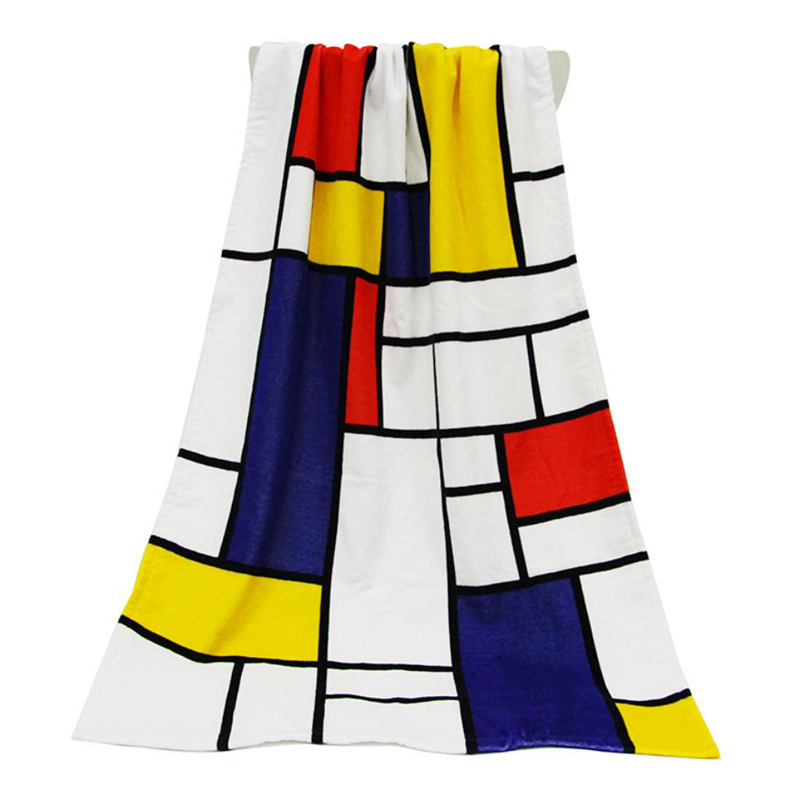
Beach towels split into two camps: pure cotton for comfort and microfiber for portability. A 400 to 600 GSM cotton beach towel, sized around 70 x 140 cm, offers the soft, substantial feel most people picture when they think of a beach towel, and jacquard-woven versions add texture and a woven pattern that resists fading better than surface printing. Microfiber beach towels trade some of that plushness for a major win in packability — they dry roughly twice as fast as cotton and fold down to a fraction of the size, which matters for anyone flying with carry-on luggage only.
Round beach towels with tassels and zippered-pocket designs have also become popular additions, giving travelers a spot to stash a phone or key card while sunbathing. For anyone comparing options, the honest tradeoff is this: pick cotton for comfort on a lounger, pick microfiber for travel efficiency.
Magic Towels, Kitchen Towels and Blankets Worth Adding to the List
A magic towel is one of the more surprising standouts of 2026. Compressed into a coin or tablet shape from cotton or microfiber, it expands to full towel size the moment it touches water, making it a practical pick for travel kits, camping gear, and promotional giveaways where space and weight are limited. It is not a replacement for a daily bath towel, but as a compact backup it consistently outperforms carrying a spare full-size towel.
Rounding out a well-equipped towel collection, a pure cotton kitchen towel in the 400 to 500 GSM range handles spills and dishes without leaving lint, and an embroidered version adds a decorative touch for open kitchens. A soft cotton or sublimation-printed blanket, while not a towel in the strict sense, is frequently bundled with towel sets for gifting because it shares the same fiber quality standards — long-staple cotton, colorfast dye, and a finish that holds up wash after wash.
Featured Towel Collection
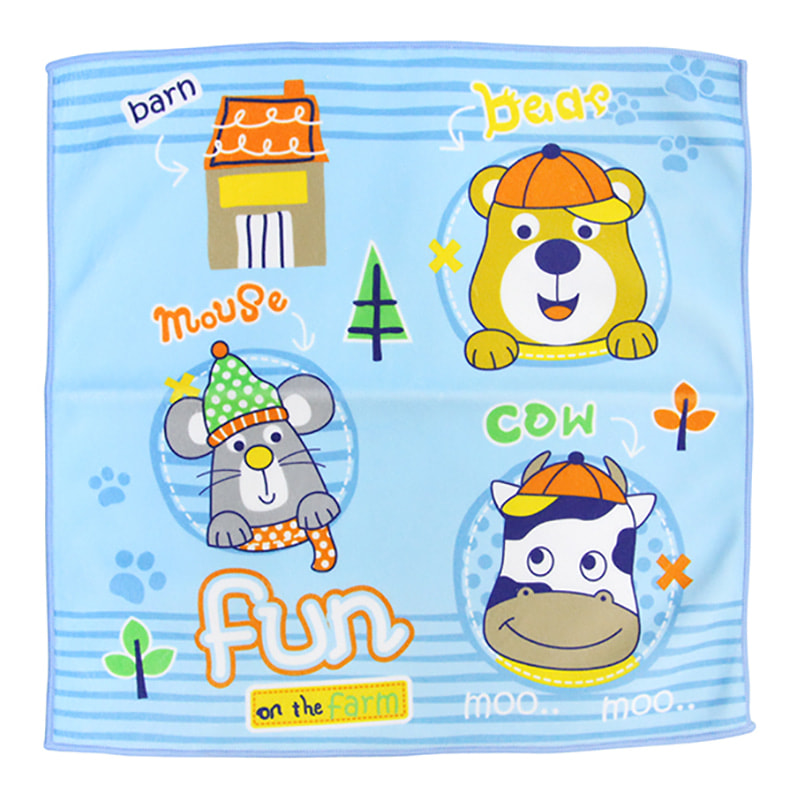
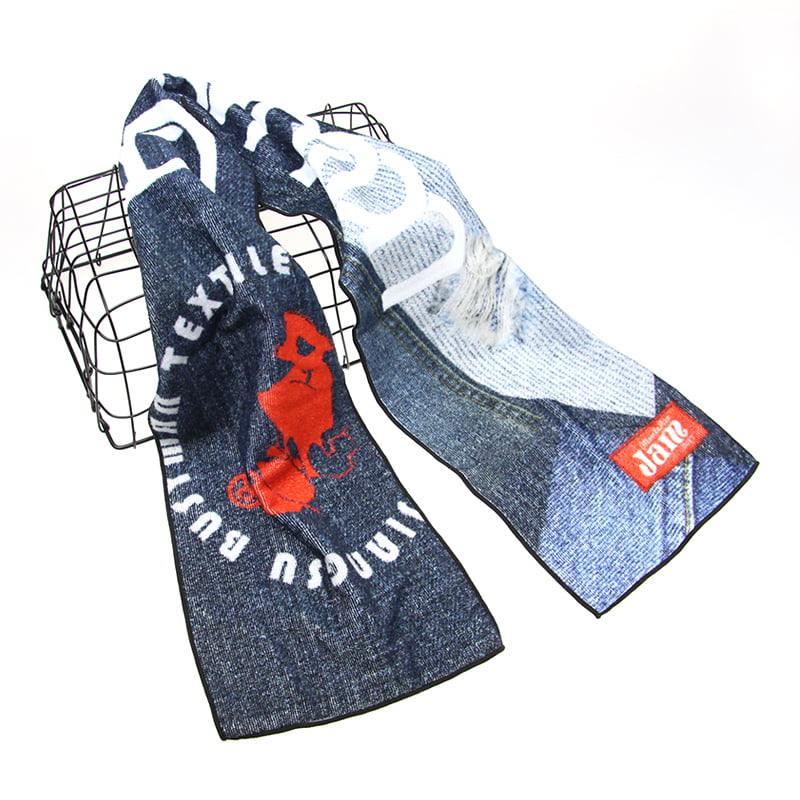
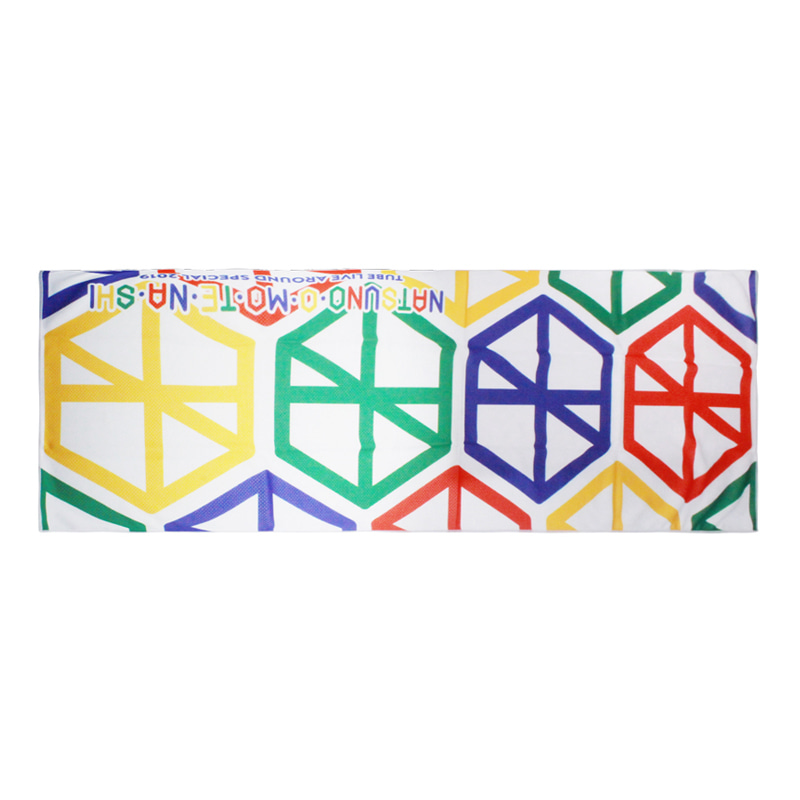
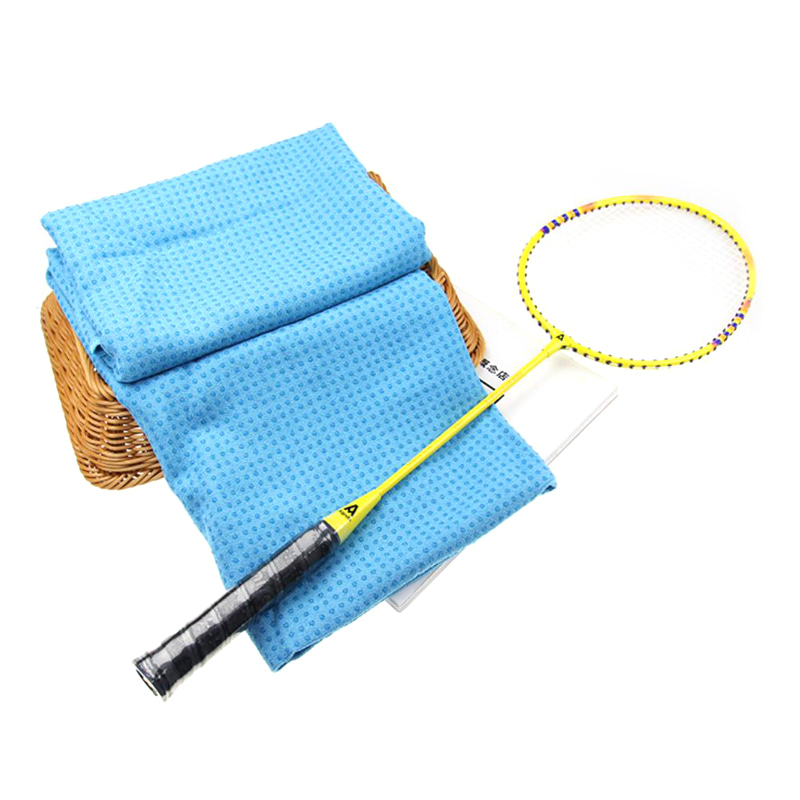
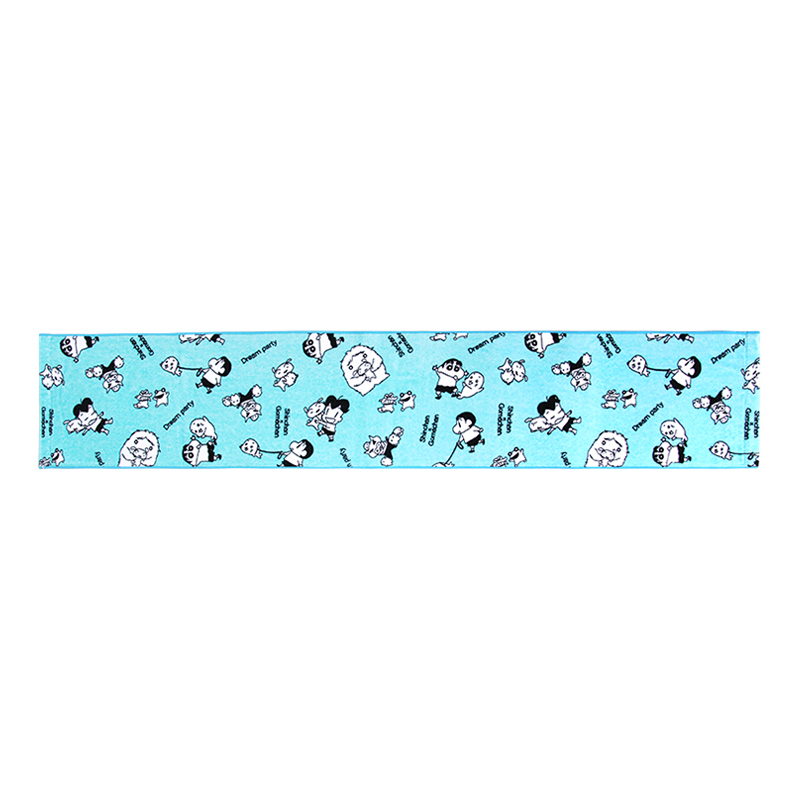
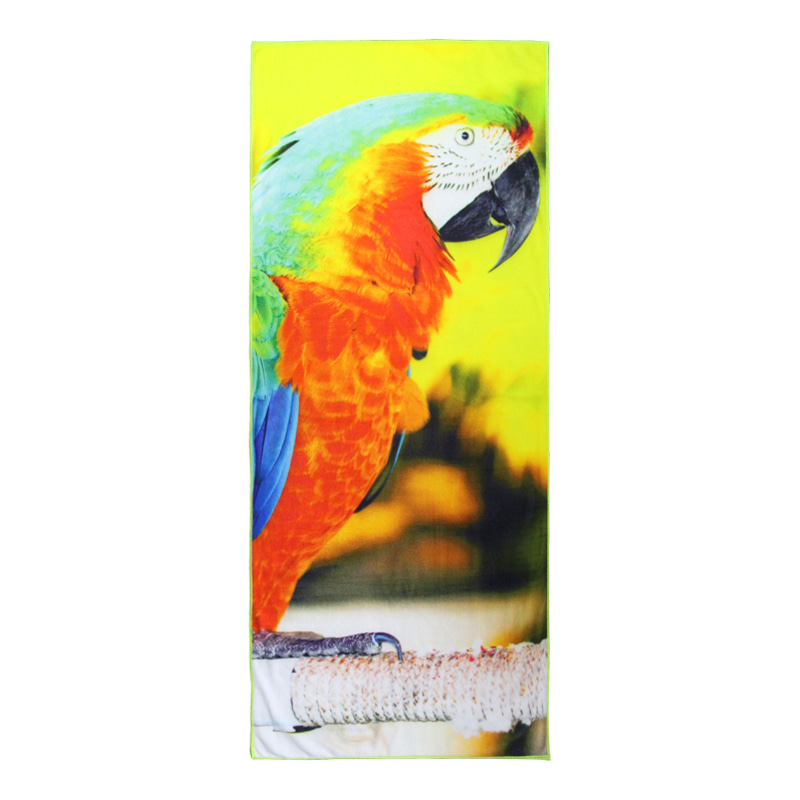
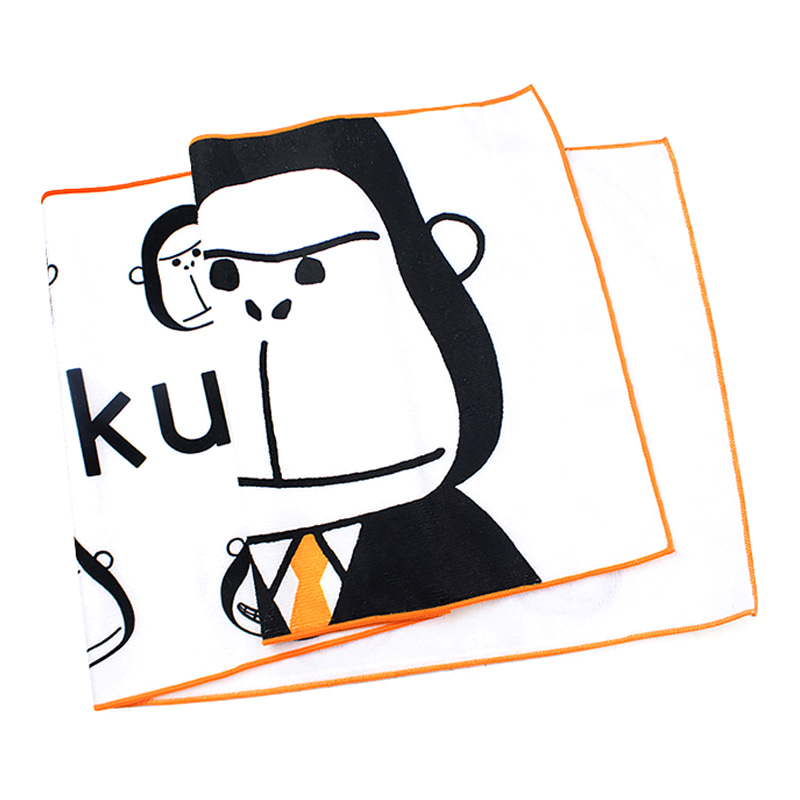
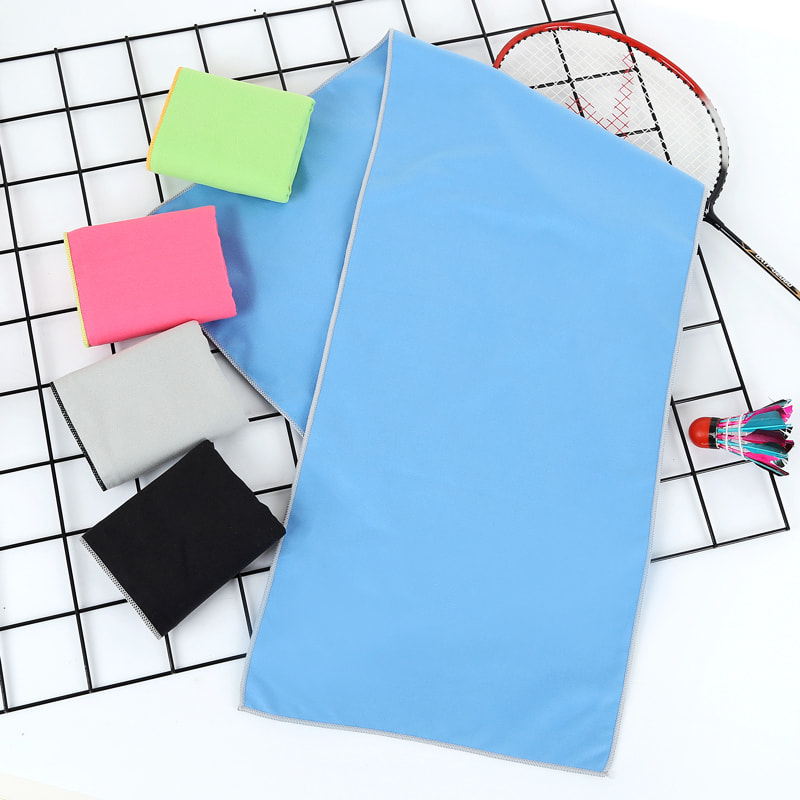
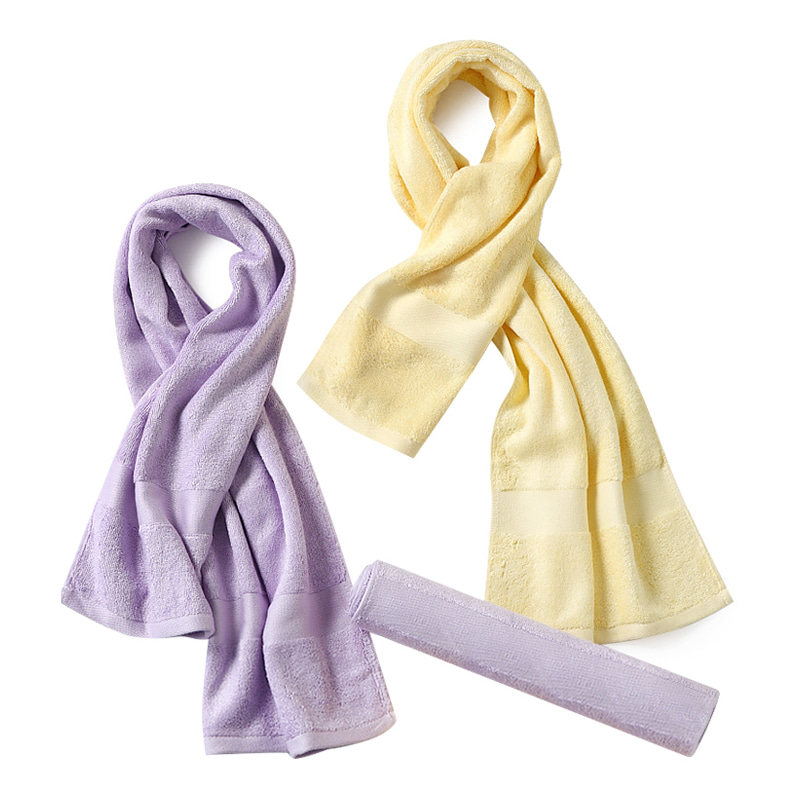
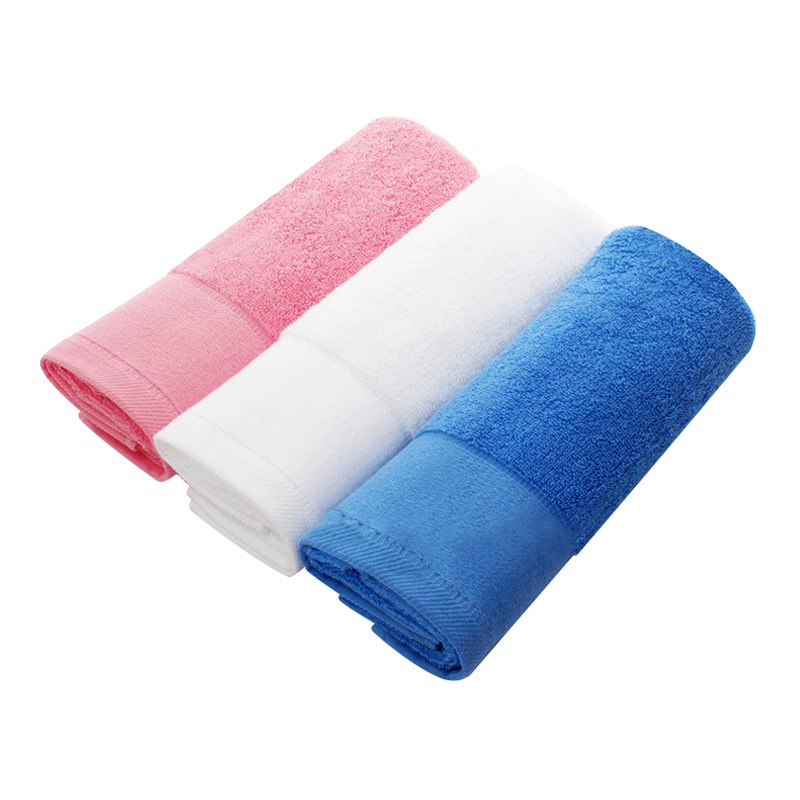
A closer look at five towel styles that represent the categories covered above, each built on a specific fabric and finishing technology.
How to Keep Any Towel Performing Like New
Even the best towel underperforms without proper care. Cotton towels last longest when washed in warm water with a moderate amount of detergent, skipping fabric softener entirely, since softener coats fibers and blocks absorbency over time. Microfiber towels, including sports and cooling towels, do best in cool or warm water and should be tumble dried on low or line dried to avoid heat damage to the synthetic fibers. Drying fully between uses — not just hanging damp — is the single habit that extends any towel's usable life the most.
- Wash separately: keep cotton and microfiber loads apart, since cotton lint clogs microfiber's moisture-wicking channels.
- Skip the softener: a quarter cup of white vinegar in the rinse cycle restores absorbency better than commercial softeners.
- Rotate your stock: four to six towels per person in daily use spreads out wear and shortens drying time.
- Re-wet cooling towels correctly: soak, wring, and snap rather than fully drying between uses to preserve the cold-feel fabric coating.
Frequently Asked Questions About Choosing Towels in 2026
Is a higher GSM always a better towel?
No. Higher GSM means more absorbency and a plusher feel, but it also means slower drying and more weight. For performance uses like sports or cooling towels, a lower GSM microfiber or PVA fabric is the better functional choice.
What is the difference between a cooling towel and a regular sports towel?
A cooling towel uses a special cold-feel fabric that triggers evaporative cooling once wet and snapped, lasting around four hours. A standard sports towel focuses on absorbing sweat quickly rather than lowering skin temperature.
Are magic towels durable enough for regular use?
Magic towels are designed as compact, on-the-go backups rather than daily-use replacements. They perform well for travel, camping, and short-term needs, but a full-size cotton bath towel remains the better everyday choice.
Cotton or microfiber for a beach towel?
Choose cotton for a softer, more substantial feel while lounging, and microfiber when packing light and fast drying matter more, such as during travel.
LATEST POST
Let’s create something amazing together
contact usFeatured Products



-
Phone
+86-0513-84186888/84523388
+86 180 1522 2999
-
Email
admin@bulanren.cn
-
Address
No. 128-8 Taihangshan Road, Rudong Economic Development Zone, Juegang Town, Nantong City, Jiangsu Province, China
- Media


