


 中文简体
中文简体 Español
 日本語
日本語 0
0
How to Wash New Towels Before First Use: Steps for Soft, Absorbent Results
Content
New towels have a funny habit of disappointing people. They come out of the package thick and plush, then the first shower leaves you half dry, the washing machine fills with pale lint, and the dark leggings washed alongside them come out covered in fuzz. None of this means you bought bad towels. It means they have not been washed yet.
Here is the short version: wash new towels before first use, in their own load, in warm water around 30–40°C (86–104°F), with roughly half your usual dose of mild detergent and one extra rinse. Skip fabric softener, and dry on low heat or on the line. That single routine strips away factory finishes, releases loose dye and lint, and lets the cotton terry do what it was woven to do — pull water off your skin. Most towels reach near-full absorbency within two or three washes.
Why New Towels Need a Wash Before First Use
That showroom softness is mostly chemistry, not the towel itself. Mills apply sizing and softening finishes so the yarn survives weaving and the towel looks flawless on the shelf; loom lubricants and packing dust ride along with them. The same invisible layer that makes a towel feel silky in your hands also sits between the water and the fiber, which is exactly why an unwashed towel can bead moisture instead of soaking it up.
Two more things come off in that first wash. Cut terry loops shed, so the first cycle pulls out loose fibers that would otherwise end up on your clothes and your skin. Dark and printed towels can also carry excess surface dye that may rub off on light bedding or clothing until it has been rinsed away. Washing new towels on their own for the first few cycles solves all three problems at once.
- 45% loose lint and cut fibers
- 35% finishing residues
- 12% excess surface dye
- 8% packaging dust
Illustrative view of what a new towel's first wash typically strips away.
Printed designs deserve a specific note: a well-made printed towel should release only a trace of color in the first wash or two, never a cloud of dye. Heavy color loss usually points to weak dye fixing rather than normal behavior.
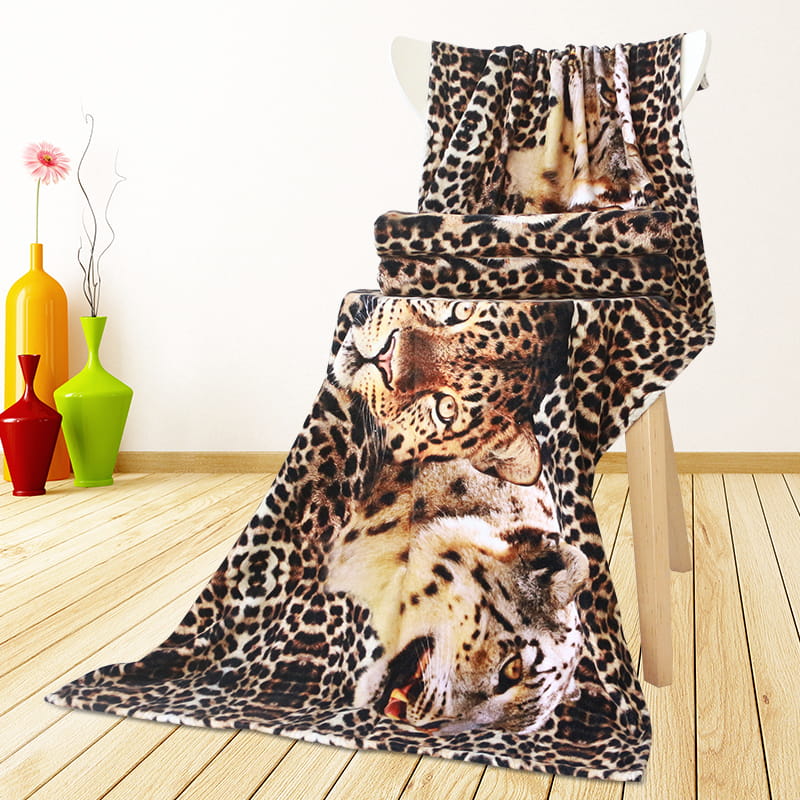 Pure Cotton Printed Bath TowelThis 400gsm cotton towel uses digital printing with imported ink for vivid patterns that hold color well, which matters when a printed towel should release only a trace of dye in early washes.View Product →
How to Wash New Towels, Step by Step
The first cycle works in any standard washing machine and asks for nothing extra beyond a little sorting.
- Sort by color family. Keep whites, lights, darks, and printed towels in separate loads for at least the first two or three washes so stray dye and lint cannot migrate.
- Load loosely, filling no more than about two-thirds of the drum. Towels need room to agitate and rinse; a packed drum traps detergent and lint inside the pile.
- Wash warm, around 30–40°C (86–104°F), with a mild detergent at about half the normal dose. Warm water dissolves finishes without the shrinkage and dye stress of a hot cycle.
- Add 1/2 to 1 cup (120–240 ml) of white distilled vinegar to the rinse cycle to neutralize alkaline detergent residue and start lifting the finish layer.
- Run one extra rinse if your machine offers it. That is where loose lint and leftover detergent leave the towel instead of drying into it.
- Shake each towel out before drying to fluff the loops, then tumble on low heat or line dry. Pull line-dried towels while slightly damp and finish with ten minutes of low tumble for softness.
Which Settings and Products to Use
| Stage | Water temperature | Detergent | Helpful additive | Drying |
|---|---|---|---|---|
| First wash | Warm, 30–40°C (86–104°F) | Mild, about half dose | 1/2–1 cup white vinegar in the rinse | Low tumble or line dry, then a short tumble |
| Washes 2–3, darks and prints | Warm | Mild, full dose | Extra rinse cycle | Low tumble |
| Routine care | Warm or cold | Regular dose | None — skip softener | Low heat, remove promptly |
| Buildup refresh, every month or two | Warm | None | 1 cup vinegar, then a second wash with 1/2 cup baking soda | Low tumble |
And no, hotter is not automatically better. Hot water fades dyes faster and is hard on fibers, while warm water with a proper rinse does the cleaning job new towels actually need. If you are weighing temperatures for routine laundry too, we cover whether towels really need to be washed in hot water in a separate guide.
Vinegar, Baking Soda, and the Fabric Softener Problem
Conclusion first: vinegar and baking soda help new towels; fabric softener works against them.
- White vinegar dissolves the alkaline detergent and mineral residue that makes towels stiff. Half a cup to a cup in the rinse cycle is all it takes.
- Baking soda, half a cup added with the detergent, buffers hard water and boosts cleaning without harming cotton.
- Fabric softener does the opposite of what its label promises for towels. Its waxy coating flattens terry loops, cuts absorbency, and builds up wash after wash. Dryer sheets do the same inside the dryer, so skip both.
- One caution: never combine vinegar with chlorine bleach in the same cycle — the mixture releases harmful fumes.
The Break-In Period: What to Expect in the First Weeks
A new towel gets better with every wash for the first handful of cycles: the pile sheds less, the hand feels softer, and the fabric drinks faster. The pattern below is typical of a 100% cotton terry bath towel.
Illustrative water uptake of a cotton terry towel as finishing agents rinse out, relative to a fully broken-in towel.
Expect visible lint for the first two to five washes, and keep dark and printed towels in their own loads until the rinse water runs clear. This is also where construction shows. Long-staple combed cotton sheds less, a 400–600 GSM bath towel balances plushness with drying speed, and double-stitched hems survive the agitation that break-in washing demands. As a towel manufacturer shipping to hotels and brands worldwide, we build towels to handle exactly this routine — hotels wash terry in warm water with measured detergent, vinegar dosing, and no softener, which is why contract-grade towels break in fast and stay absorbent for hundreds of cycles.
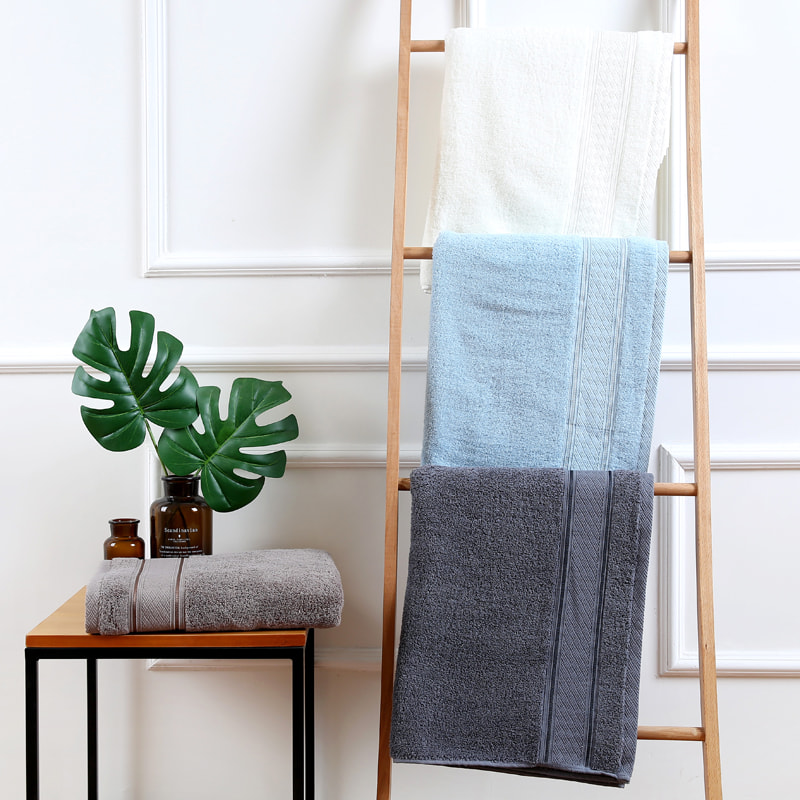 Cotton Terry Luxury Bath Towel for HotelBuilt for hotel laundering with low shedding and colorfast terry, this cotton bath towel breaks in quickly and stays absorbent, matching the break-in routine described for long-lasting towels.View Product →
Common Mistakes That Shorten a Towel's Life
- Overloading the washer, which leaves detergent trapped in the pile and towels stiff.
- Using fabric softener or dryer sheets, whose coatings smother absorbency.
- Washing towels with zippered or hooked garments that snag and pull terry loops.
- Leaving wet towels balled up in a hamper, where a single day is enough to breed a sour, musty smell.
- Ironing terry, which flattens the very loops that hold air and water.
- Drying on a radiator or at maximum dryer heat, which scorches fibers and wears them out early.
Frequently Asked Questions
Do you really need to wash new towels before using them?
Yes. The first wash removes finishing chemicals, loose dye, and lint, and it starts the break-in that makes a towel absorbent. It is a hygiene step too, since towels pass through many hands and machines before they reach your bathroom.
How many times should I wash new towels before use?
One proper wash makes them usable. Dark colors and printed designs benefit from two or three washes with similar colors before you trust them next to light laundry.
Can I wash new towels with my regular clothes?
Not for the first couple of cycles. Lint clings to synthetic fabrics, and any excess dye is far more likely to transfer. After a few washes, when the towel releases no visible lint or color, it can join mixed loads.
Why do my new towels still feel stiff after washing?
Usually residue, not the towel. Too much detergent, hard water minerals, or softener buildup flattens the pile. Run a cycle with a cup of white vinegar and no detergent, then add an extra rinse, and the stiffness should disappear.
When do new towels reach full absorbency?
Most get there within two to three washes; dense, heavyweight terry can take up to five. The improvement comes quickly because the finish layer rinses out gradually rather than all at once.
That is the whole routine: wash before first use, warm and gentle, softener off, low-heat dry. Give any new towel three proper cycles and it will repay you for years. Break-in is also easier on a well-made towel, so it pays to start with tight terry weaving, combed cotton yarn, and reinforced hems. Our ultra-soft cotton bath towel with a custom embroidered or printed logo is built for exactly that kind of long, absorbent service life.
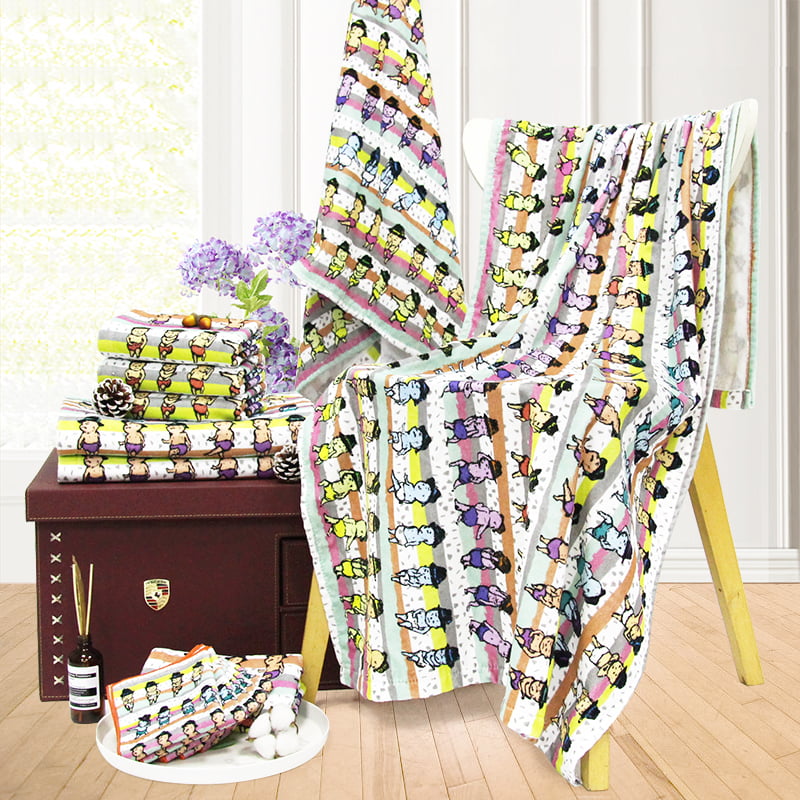 Ultra Soft Cotton Bath Towel With LogoWith 400gsm pure cotton, tight loops, and reinforced construction, this towel suits repeated break-in cycles and supports a custom embroidered or printed logo for long service life.View Product →
LATEST POST
Let’s create something amazing together
contact usFeatured Products

-
Phone
+86-0513-84186888/84523388
+86 180 1522 2999
-
Email
admin@bulanren.cn
-
Address
No. 128-8 Taihangshan Road, Rudong Economic Development Zone, Juegang Town, Nantong City, Jiangsu Province, China
- Media


