


 中文简体
中文简体 Español
 日本語
日本語 0
0
How Do I Keep Towels Soft? Proven Laundry Habits for Fluffy Bath Towels
Content
You pull a towel out of the dryer, expecting softness, and instead get a stiff, scratchy rectangle that barely absorbs water. The cause is rarely the towel itself. Most of the time, the cotton loops are coated with detergent residue, fabric softener wax, and hard water minerals. Keep towels soft by using less detergent, skipping fabric softener, adding a vinegar rinse every few washes, and drying on low heat. These small changes restore fluffiness and keep towels absorbent for years.
Why Do Towels Lose Their Softness?
Cotton towels feel soft because of the twisted loops in the terry weave. Each wash can leave something behind. Too much detergent forms a film between the loops. Fabric softener, despite the name, coats fibers with a waxy layer that flattens the pile and blocks absorbency. Hard water adds calcium and magnesium that cling to the yarn. That is why some hand towels become stiff after washing even when they are brand new.
These percentages reflect the patterns that show up most often in laundry care questions, not a scientific lab result. But they explain why one habit is rarely enough. If you cut detergent but keep using fabric softener, the towel stays rough.
Washing Habits That Keep Towels Soft
The first step is to stop treating the laundry label as a recommendation. Most machines need much less detergent than people use. A normal load of towels works well with one tablespoon of liquid detergent, not a full capful. If you see suds at the end of the rinse cycle, your towels are already carrying soap that will dry stiff.
- Use half the recommended detergent, or less.
- Skip fabric softener entirely.
- Pour 1/2 to 1 cup of white vinegar into the rinse compartment every three or four washes.
- Wash in warm or cold water; hot water makes residue bind tighter.
- Keep towels away from zippers, hooks, and abrasive clothing.
- Do not overload the drum; towels need room to move and rinse.
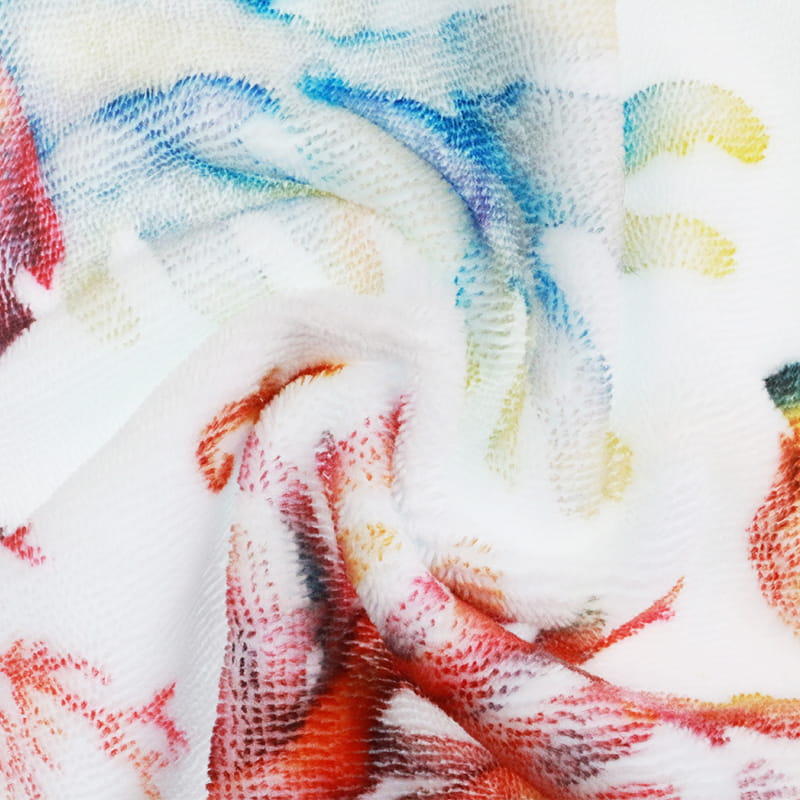
If you wash face towels daily for skincare, the fiber needs to tolerate frequent cycles. A lighter 100 percent cotton option such as soft cotton printed face towels keeps its hand feel better than an oversized heavy towel that never fully rinses.
Drying the Right Way
Drying has a bigger effect on softness than any fabric softener. High heat contracts cotton fibers, and a full drying cycle leaves them brittle and flat. Instead, shake each towel before it goes into the dryer so the loops stand upright. Use low or medium heat with wool dryer balls or two clean tennis balls to keep the pile moving. Remove the towels while they are still slightly damp, shake them again, and let them finish air-drying on a rack or line.
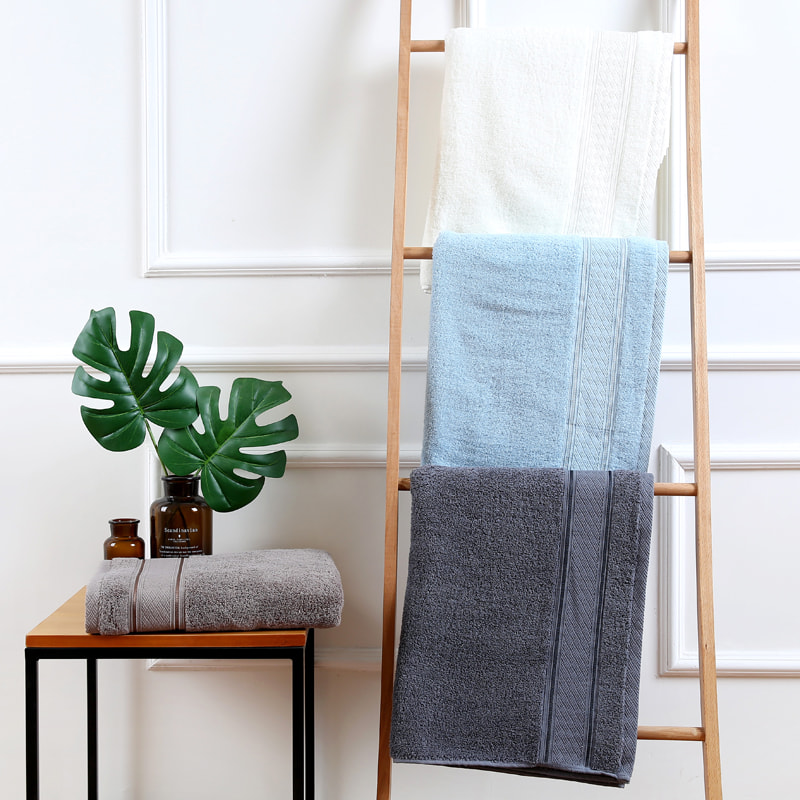
This is especially important for bath towels. A thick towel that runs through the entire dryer cycle can come out rough even if it was soft on the first wash. When you pick a replacement, look for a high-GSM style such as an ultra-soft cotton bath towel with a dense loop structure; that build keeps its bounce when removed slightly damp.
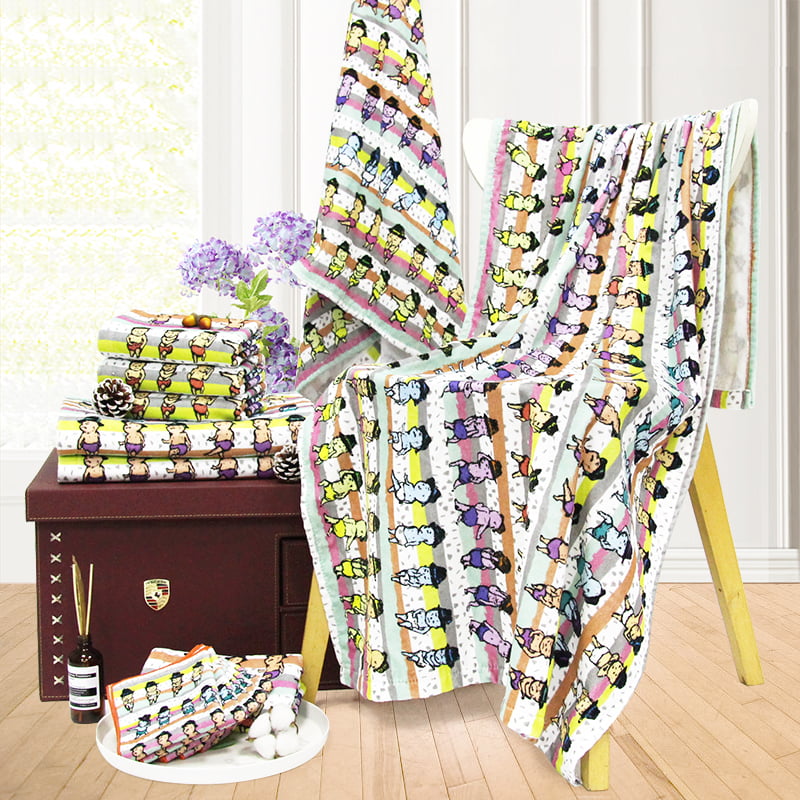
If you prefer air drying, never leave towels bunched up. Hang them with space between folds and give them a sharp shake before hanging. They will be stiffer than tumble-dried towels, but a five-minute fluff cycle with no heat restores most of the softness.
Hard Water and Detergent Buildup
If you are doing everything right and the towels still feel stiff, check your water. Hard water is one of the most common hidden causes of rough towels, and it also makes detergent less effective. The table below shows the usual suspects and the quickest fixes.
| Culprit | What happens | Simple fix |
|---|---|---|
| Detergent residue | Soap film coats the loops and traps dirt | Halve the detergent and add an extra rinse cycle |
| Fabric softener wax | Waxy coating seals the yarn and lowers absorbency | Stop using softener and wash once with vinegar |
| Hard water minerals | Calcium and magnesium build up on the fiber | Use a rinse aid or add vinegar to the rinse cycle |
| Overheating | Heat shrinks and stiffens the cotton | Dry on low heat and remove while still slightly damp |
Long-Term Care and Choosing a Better Towel
No amount of washing care can keep a poorly made towel soft. Low-grade cotton uses short fibers that shed and flatten quickly. A better towel starts with long-staple or combed cotton, dense terry loops, and a GSM between 450 and 600 for bath towels. If you are shopping for replacements, look for those details before you worry about the pattern.
- GSM above 450 for bath towels; 500-600 for a plusher feel.
- 100 percent combed cotton or a natural cotton-bamboo blend.
- Tightly packed loops that spring back when pressed.
- Reinforced hems that do not warp after repeated washing.
To understand the differences between weights and weaves, a guide on how to choose the best bath towels is a useful starting point. In short, a cotton terry luxury bath towel for hotel is a reliable benchmark because it is engineered for frequent commercial laundering. That same construction keeps its softness at home. Buy the best towel you can, then protect it with the wash and dry habits above.
Frequently Asked Questions
How do I keep towels soft without fabric softener?
Use less detergent, add one cup of white vinegar to the rinse cycle every three or four washes, and dry on low heat with wool dryer balls. Vinegar dissolves residue without coating the fibers, so the cotton loops stay open and absorbent.
Can I use baking soda and vinegar together?
No. Baking soda works in the wash cycle to break down body oils and odor. Vinegar works in the rinse cycle to dissolve detergent and mineral residue. If you add both at the same time, they neutralize each other and do much less work.
Why do my towels feel stiff even after washing?
The usual reasons are detergent or fabric softener buildup, hard water minerals, or overdrying. Wash the towels once without detergent, add vinegar to the rinse, then dry on low heat until slightly damp. That routine clears the film and restores softness.
How often should I replace towels?
With consistent care, a well-made cotton towel lasts three to five years. Replace it when the loops stop puffing up, the edges fray, or the towel no longer absorbs water even after cleaning.
LATEST POST
Let’s create something amazing together
contact usFeatured Products

-
Phone
+86-0513-84186888/84523388
+86 180 1522 2999
-
Email
admin@bulanren.cn
-
Address
No. 128-8 Taihangshan Road, Rudong Economic Development Zone, Juegang Town, Nantong City, Jiangsu Province, China
- Media


