


 中文简体
中文简体 Español
 日本語
日本語 0
0
How to remove mildew odor from towels?
Content
- 1 Why Towels Develop That Musty Mildew Smell
- 2 The Step-by-Step Method to Remove Mildew Odor from Towels
- 3 Comparison: Which Method Works Best for Different Towel Types?
- 4 Choosing the Right Towels to Prevent Future Odors
- 5 7 Daily Habits That Prevent Mildew Odor from Returning
- 6 FAQ About Bath Towels and Mildew Odor
- 7 Quick Reference: Odor Removal at a Glance
The fastest way to remove mildew odor from towels: wash them in hot water with 1 cup of white vinegar (no detergent), then run a second cycle with ½ cup of baking soda. This two-step reset eliminates odor-causing bacteria and residue buildup that regular washing misses. Whether you have white cotton hand towels, black and white beach towels, or textured bath towels, the method works across all fabric types when applied correctly.
Quick Tip: If your towels smell musty even right after washing, the problem is almost always too much detergent — not too little. Residue buildup is the #1 hidden cause of mildew odor in towels.
Why Towels Develop That Musty Mildew Smell
Mildew odor in towels is caused by anaerobic bacteria and mold spores that thrive in damp, low-oxygen environments. Every time you use a towel, it absorbs dead skin cells, body oils, and moisture — the perfect growth medium. The problem intensifies when:
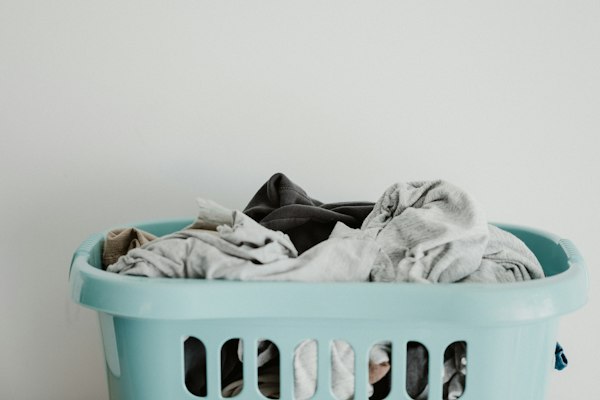
- Towels are left bunched in a hamper or on the floor for more than 30 minutes after use
- Too much laundry detergent is used, leaving a sticky residue that traps bacteria
- Towels are dried on a low-heat setting or remain damp after the dryer cycle
- The washing machine itself has mold or residue buildup inside the drum or seal
- Towels are stored folded before they are completely dry
Studies show that bath towels can harbor over 1 million bacteria per square inch after just 2–3 uses. The smell you detect is actually bacterial metabolic waste — not the dirt itself. The good news: both the odor and the bacteria are completely removable with the right method.
The Step-by-Step Method to Remove Mildew Odor from Towels
Follow these steps for a complete odor reset. This works for white cotton hand towels, patterned beach towels, and thick textured bath towels alike.
STEP 01 Vinegar Wash Add 1 cup of white vinegar to the drum. Run the hottest safe cycle. Skip detergent entirely. STEP 02 Baking Soda Wash Run a second cycle immediately with ½ cup of baking soda. Do not combine with vinegar. STEP 03 Dry Completely Dry on high heat for 45–60 min, or hang in direct sunlight. Never store while damp.
Step 1 — The Vinegar Wash
- Load smelly towels into the washing machine — do not overfill
- Add 1 cup of distilled white vinegar directly to the drum (not the detergent drawer)
- Set the machine to the hottest water setting safe for your towel fabric (check the care label)
- Run a full wash cycle — skip detergent entirely in this step
Step 2 — The Baking Soda Wash
- Without drying the towels, run a second wash cycle immediately
- Add ½ cup of baking soda to the drum
- Use the same hot water setting
- Do not add vinegar in this step — vinegar and baking soda neutralize each other if combined
Step 3 — Dry Completely and Immediately
- Transfer towels to the dryer immediately after the cycle ends
- Use high heat for at least 45–60 minutes — heat kills remaining bacteria
- If air-drying, hang outside in direct sunlight; UV rays act as a natural sanitizer
- Do not fold or store until towels are completely dry to the touch
Comparison: Which Method Works Best for Different Towel Types?
Different towel materials respond differently to odor treatments. Here's a quick guide:
| Towel Type | Max Wash Temp | Vinegar Safe? | Baking Soda Safe? | Notes |
|---|---|---|---|---|
| White Cotton Hand Towels | 60°C / 140°F | Yes | Yes | Can also add oxygen bleach for whitening |
| Black & White Beach Towels | 40°C / 104°F | Yes (diluted) | Yes | Avoid chlorine bleach to protect colors |
| Textured Bath Towels | 50°C / 122°F | Yes | Yes | Use a gentle cycle to preserve texture loops |
| Microfiber Towels | 40°C / 104°F | Use sparingly | Yes | High vinegar concentration may degrade fibers |
Choosing the Right Towels to Prevent Future Odors
Not all towels are equally prone to mildew. The material, weave, and weight all affect how quickly a towel dries — and how quickly bacteria can colonize it.
7 Daily Habits That Prevent Mildew Odor from Returning
Odor removal is only half the solution. Long-term freshness depends on consistent care habits:
- Hang towels flat immediately after use — never leave them bunched or on the floor
- Use less detergent than the label recommends — roughly ½ the suggested amount is sufficient
- Wash towels every 3–4 uses (or every 1–2 uses for beach towels)
- Skip fabric softener — it coats fibers with a waxy layer that traps bacteria
- Clean your washing machine monthly with a drum-cleaning tablet or hot vinegar cycle
- Dry towels fully in one cycle — if still damp, run the dryer again
- Ensure bathroom ventilation — run the exhaust fan for at least 20 minutes after showering

FAQ About Bath Towels and Mildew Odor
Can I use bleach to remove mildew smell from towels? For white cotton towels only, chlorine bleach can be used occasionally to sanitize and brighten. However, it degrades cotton fibers over time and is unsafe for colored towels like black and white beach towels. Oxygen bleach (sodium percarbonate) is a gentler, color-safe alternative that effectively kills bacteria and eliminates odors without damaging fabric.
How often should I wash my bath towels? Most dermatologists and laundry experts recommend washing bath towels after every 3–4 uses. Beach towels and hand towels used by multiple people should be washed more frequently — after every 1–2 uses.
Why do my towels smell after washing? If towels smell immediately after washing, the most common culprits are: too much detergent leaving a residue that feeds bacteria, a dirty washing machine drum with mold in the gasket, or not drying quickly enough after the cycle ends. Running the vinegar-then-baking-soda reset resolves all three issues.
Does vinegar damage towel fibers? Distilled white vinegar at standard household concentration (5% acidity) is safe for most cotton, linen, and polyester towels when used occasionally. Avoid using vinegar on silk or wool blends. Once or twice a month as a reset treatment is sufficient and will not damage fibers.
Can mildew-smelling towels be saved, or should I replace them? In most cases, towels with mildew odor can be fully restored using the vinegar and baking soda method. However, if you see visible dark mold spots that don't wash out, or the towel smells musty after three treatment cycles, replace them. Towels typically last 1–3 years with regular washing, depending on fabric quality and care.
What is the best towel material to avoid mildew? Turkish cotton and waffle-weave textured towels are among the best choices for mildew resistance due to their open weave structure that promotes faster evaporation. Linen towels also dry quickly and naturally resist bacterial growth. Avoid ultra-thick towels (above 700 GSM) in humid environments — they retain moisture far longer.
Is it safe to wash black and white beach towels in hot water? Most black and white beach towels should be washed in warm water (40°C / 104°F) rather than hot to prevent color fading and shrinkage. Use a color-safe detergent and oxygen bleach (not chlorine bleach) if sanitizing is needed. Always check the care label before increasing wash temperature.
Quick Reference: Odor Removal at a Glance
| Step | Ingredient | Amount | Purpose |
|---|---|---|---|
| Wash 1 | White Vinegar | 1 cup | Kills bacteria, strips detergent residue |
| Wash 2 | Baking Soda | ½ cup | Neutralizes odors, softens fibers |
| Dry | High Heat or Sunlight | 45–60 min | Eliminates remaining moisture and bacteria |
| Optional Boost | Oxygen Bleach (white towels only) | Per label | Deep sanitizing and whitening |
Bottom Line: With the right vinegar-and-baking-soda reset plus smart drying habits, any towel — whether a plush textured bath towel, a crisp white cotton hand towel, or a bold black and white beach towel — can smell fresh and clean wash after wash.
LATEST POST
Let’s create something amazing together
contact usFeatured Products

-
Phone
+86-0513-84186888/84523388
+86 180 1522 2999
-
Email
admin@bulanren.cn
-
Address
No. 128-8 Taihangshan Road, Rudong Economic Development Zone, Juegang Town, Nantong City, Jiangsu Province, China
- Media


