


 中文简体
中文简体 Español
 日本語
日本語 0
0
How to Choose a Face Towel That Truly Suits Daily Use?
Content
- 1 Core Parameters: How GSM and Dimensions Determine the User Experience
- 2 Material Science: Absorbency Comparison of Cotton, Bamboo Fiber, and Microfiber
- 3 Craftsmanship Analysis: How Digital Printing and Jacquard Weaving Affect Face Towel Quality
- 4 Usage and Maintenance: Scientific Methods to Extend Face Towel Lifespan
- 5 Purchase Decision: Matching Face Towels to Different Needs
The core criteria for a premium face towel can be summarized by three numbers: 400-600 GSM, dimensions ranging from 30×30 cm to 34×84 cm, and material choices of pure cotton or bamboo fiber. For most people, a 400-500 GSM cotton face towel represents the optimal daily balance of absorbency, softness, and quick-drying performance. If you prioritize maximum absorbency and have sensitive skin, bamboo fiber absorbs water 40% faster than cotton and offers natural antibacterial properties. For frequent travelers or fitness enthusiasts, microfiber face towels excel due to their ultra-fast drying speed and lightweight portability.
Core Parameters: How GSM and Dimensions Determine the User Experience
The Practical Meaning of GSM Values
GSM (Grams per Square Meter) is the key metric for measuring face towel density and quality, directly determining thickness, absorbency, and drying speed. According to 2026 textile procurement guidelines, face towel GSM falls into three practical ranges:
| GSM Range | Tactile Feel | Absorbency | Drying Speed | Recommended Use Cases |
|---|---|---|---|---|
| 300-400 GSM | Lightweight, portable | Moderate | Very fast | Travel, gym, humid climates |
| 400-600 GSM | Soft, substantial, balanced | High | Moderate | Daily cleansing, general household use |
| 600-900 GSM | Luxuriously thick, hotel-grade | Very high | Slower | Upscale hotels, spas, winter use |
Data shows that 400 GSM and above is generally considered the quality benchmark. Towels below this threshold may dry quickly but tend to "push" water rather than absorb it during wiping, significantly degrading the user experience.
Standard Dimensions and Functional Matching
Face towel dimensions directly determine their functional positioning. According to international textile sizing standards, common specifications are as follows:
- 30×30 cm (12×12 inches): The standard washcloth size, ideal for gently patting the face dry after cleansing. This is also the standard size used by most hotels and airlines.
- 33×33 cm to 34×34 cm: A slightly larger square that provides more wiping surface area, suitable for makeup removal or use as a baby burp cloth.
- 34×84 cm (approx. 13×33 inches): The elongated face towel size, ideal for sports sweat wiping, men's post-shave hot compresses, or gym towel use.
It is important to note: bigger is not always better. Oversized towels become significantly heavier when wet, making them difficult to wring out and more prone to bacterial growth in humid environments.
Material Science: Absorbency Comparison of Cotton, Bamboo Fiber, and Microfiber
Absorption Mechanisms and Data Performance of Three Mainstream Materials
A face towel's absorbency is fundamentally determined by fiber structure and material properties. Laboratory testing and user measurement data reveal significant differences in absorption speed and capacity among the three mainstream materials:
| Material | Absorption Speed | Water Retention Capacity | Drying Speed | Expected Lifespan | Best Suited For |
|---|---|---|---|---|---|
| Long-staple Cotton | Moderate | High (600+ GSM) | Moderate | 3-5 years | Household users seeking softness and durability |
| Bamboo Fiber | Fast (40% faster than cotton) | Moderate | Fast | 1-2 years | Sensitive skin, infants, eco-conscious consumers |
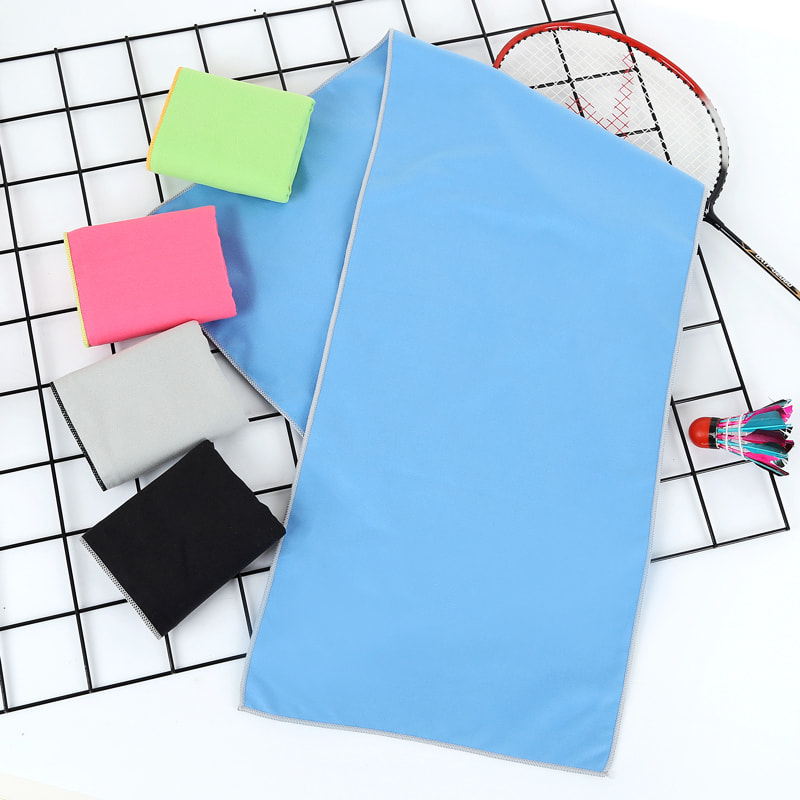
| Microfiber | Extremely fast | Moderate | Extremely fast | 2-3 years | Travelers, gym-goers, outdoor enthusiasts |
Cotton: The Classic Choice, but Staple Length Matters
Cotton remains the dominant material in the face towel market, yet performance varies dramatically. Long-staple cotton (such as Egyptian or Pima cotton), with fiber lengths exceeding 35mm, forms smoother and stronger yarns, producing towels that are not only softer to the touch but also offer significantly higher absorbency than regular short-staple cotton. Testing shows that long-staple cotton face towels above 600 GSM can absorb approximately 400-500ml of water in a single use—equivalent to a standard bottle of mineral water.
It is worth noting that newly purchased cotton face towels often carry a silicone or sizing coating (applied to maintain a fluffy appearance on store shelves). Before first use, it is recommended to pre-wash 2-3 times with 60°C hot water and white vinegar to remove this coating and restore the fiber's capillary action. Otherwise, initial absorbency may decrease by more than 30%.
Bamboo Fiber: Dual Advantages of Absorbency and Antibacterial Properties
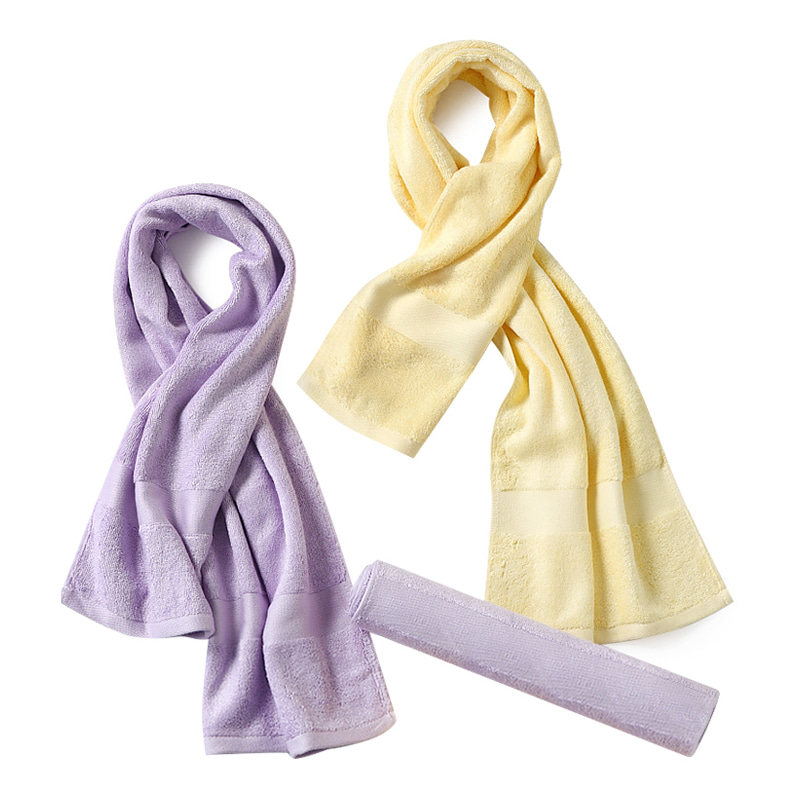
Bamboo fiber face towels feature a porous cross-section with numerous micro-gaps, enabling them to absorb water 1.5 times faster than cotton. More critically, bamboo fiber possesses natural antibacterial properties: experimental data shows that the survival rate of E. coli and Staphylococcus aureus on bamboo fiber drops by 48% within one hour and decreases by 95% after 24 hours. This characteristic makes bamboo fiber towels less prone to odor in humid bathroom environments and particularly beneficial for acne-prone and sensitive skin.
However, 100% bamboo fiber face towels typically offer lower durability than cotton, with an average lifespan of about 1-2 years. Furthermore, the market contains many products labeled "bamboo pulp fiber" masquerading as "bamboo native fiber," so consumers should carefully check the ingredient label when purchasing.
Microfiber: A Functional Choice Prioritizing Efficiency
Microfiber splits polyester and polyamide into micron-level filaments, leveraging capillary action to instantly capture water. While its absorption speed is exceptional, its water retention capacity and skin-friendly feel fall short of natural fibers. Over long-term use, microfiber tends to trap facial oils and requires more frequent cleaning maintenance.
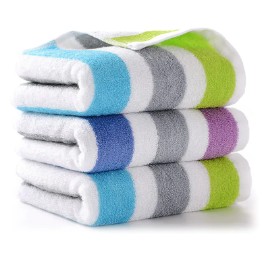
Craftsmanship Analysis: How Digital Printing and Jacquard Weaving Affect Face Towel Quality
Digital Printing: Rich Colors but with Durability Limitations
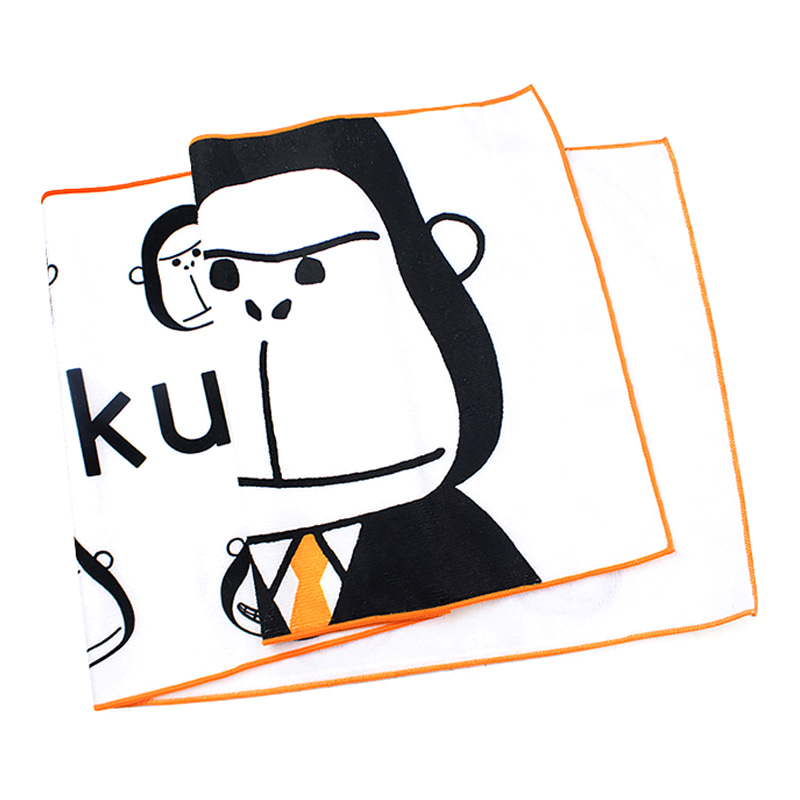
Digital printing technology applies inkjet dyes directly onto the fabric surface, offering advantages of high color accuracy, fine detail, and no minimum order quantity, making it ideal for personalized customization and complex imagery (such as photo-grade prints). However, because the pattern only adheres to the fiber surface, after repeated washing (typically 50-80 washes), printed face towels may experience color fading, edge cracking, or localized peeling.
Additionally, some digital printing dyes contain chemical fixatives that may reduce the towel's absorbency. When purchasing, it is advisable to prioritize products using reactive dye processes, where dye molecules form covalent bonds with cotton fibers, improving color fastness by approximately 40%.
Jacquard Weaving: A Durable Solution Integrating Patterns into the Fiber
Jacquard weaving controls the lifting of each warp thread to form patterns directly during the weaving process. This means the design is part of the fabric structure itself, not a later addition. Its core value lies in:
- Permanent colorfastness: The pattern lasts the lifetime of the fabric, remaining clear even after 200+ machine washes.
- Three-dimensional texture: By adjusting yarn density and loop height, jacquard towels can present a relief-like texture, enhancing the massaging sensation during use.
- No chemical printing agents: Reduces the risk of skin contact with potential allergens, making it more suitable for sensitive skin.
The limitation of jacquard weaving is that pattern complexity is restricted (it is difficult to achieve photo-grade gradient colors), and production costs are typically 20%-35% higher than printing. Therefore, jacquard face towels are better suited for scenarios requiring classic patterns (such as stripes, geometry, or lettering) and long-term use.
Craftsmanship Decision Matrix
| Evaluation Dimension | Digital Printed Face Towel | Jacquard Woven Face Towel |
|---|---|---|
| Pattern Durability | Moderate (may fade after 50-80 washes) | Extremely high (lifespan of fabric) |
| Color Performance | Rich, supports gradients and photo-grade imagery | Limited, suitable for solid blocks and geometric patterns |
| Production Cost | Lower, suitable for small-batch customization | Higher, suitable for large-batch standardized production |
| Skin Safety | Depends on dye type; chemical residue requires attention | High, no additional printing layer |
| Recommended Scenarios | Promotional events, seasonal themes, personalized gifts | Upscale hotels, daily home use, brand customization |
Usage and Maintenance: Scientific Methods to Extend Face Towel Lifespan
Common Washing Mistakes
Many users habitually use fabric softener to enhance face towel softness, but this actually creates a hydrophobic film on the fiber surface, reducing absorbency by 20%-30%. Similarly, scented dryer sheets in tumble dryers leave comparable residues. The correct approach is: every 1-2 months, perform a "strip wash" using 1/2 cup white vinegar combined with 1/2 cup baking soda to effectively remove accumulated surfactants and mineral deposits, restoring the towel's original absorbency.
Critical Details for Drying and Storage
A damp face towel is a breeding ground for bacteria. Research shows that bacterial counts on wet towels can increase by more than 1000 times within 24 hours. Therefore, after use, immediately unfold and hang in a ventilated area; avoid folding or stacking. If using a tumble dryer, select low-temperature drying (not exceeding 60°C), as high heat damages the cotton fiber structure, causing the towel to harden and the loops to collapse.
Quantified Replacement Criteria
Even with proper care, face towels have a finite physical lifespan. Replace the towel when any of the following conditions occur:
- Persistent odor remains after washing (indicating bacteria have penetrated deep into the fiber).
- The fabric becomes thin, develops light-transmitting spots, or shows large-scale loop shedding (typically after 2-3 years of use).
- Absorbency drops significantly, leaving obvious water stains on the skin after wiping.
- Edge fraying exceeds 2cm, compromising structural integrity.
For daily-use face towels, replacement every 6-12 months is recommended; if 3-4 towels are rotated, individual lifespan can extend to approximately 2 years.
Purchase Decision: Matching Face Towels to Different Needs
Based on the preceding analysis, the following provides clear purchase recommendations for different usage scenarios:
| User Type | Recommended Material | Recommended GSM | Recommended Size | Key Reasoning |
|---|---|---|---|---|
| Daily Household Users | Long-staple Cotton | 400-500 | 30×30 cm or 34×84 cm | Balanced softness, absorbency, and durability |
| Sensitive/Acne-prone Skin | Bamboo Fiber | 400-500 | 30×30 cm | Natural antibacterial properties reduce skin irritation risk |
| Travel/Fitness Enthusiasts | Microfiber | 300-400 | 30×30 cm (foldable for storage) | Ultra-light, quick-drying, space-saving |
| Upscale Hotels/Spas | Long-staple Cotton (Jacquard) | 600-700 | 33×33 cm or custom sizes | Luxurious feel and durable brand identity |
| Infant Care | Organic Cotton or Bamboo Fiber | 400-500 | 30×30 cm (double-layer gauze) | Zero chemical residue, ultra-soft touch |
Ultimately, the value of a face towel depends not only on the specifications on its purchase label, but on whether it truly matches your usage habits and environmental conditions. By understanding the science behind GSM, materials, and craftsmanship, you can avoid paying for unnecessary marketing concepts and invest your budget in products that genuinely enhance your daily cleansing experience.
LATEST POST
Let’s create something amazing together
contact usFeatured Products

-
Phone
+86-0513-84186888/84523388
+86 180 1522 2999
-
Email
admin@bulanren.cn
-
Address
No. 128-8 Taihangshan Road, Rudong Economic Development Zone, Juegang Town, Nantong City, Jiangsu Province, China
- Media


