


 中文简体
中文简体 Español
 日本語
日本語 0
0
How to choose the right bath towel?
Content
The ideal bath towel is 100% long-staple cotton with a GSM between 400–600, measuring at least 70×140 cm. Each person should own 2–3 bath towels for rotation. A bath towel is designed for post-shower drying and has high absorbency, while a bath towel blanket (or bath sheet) is larger and often used for lounging or as a multi-purpose throw.
How to Choose the Right Bath Towel
Understanding GSM: The Weight That Matters
GSM (grams per square meter) is the single most important metric when evaluating towel quality. It measures fabric density and directly correlates with absorbency, softness, and drying time. For everyday home use, towels between 400–600 GSM offer the best balance of plushness and practicality. Luxury hotels typically use 500–650 GSM towels because they provide a soft hand feel while remaining manageable for daily laundering. Towels above 700 GSM feel ultra-plush but take significantly longer to dry, increasing the risk of mildew in humid bathrooms.
| GSM Range | Feel & Weight | Absorbency | Best For |
|---|---|---|---|
| 300–400 GSM | Thin, lightweight | Standard | Gym, travel, quick-dry needs |
| 400–600 GSM | Medium, soft | Very Good | Daily home use, families |
| 600–900 GSM | Heavy, plush, dense | Excellent / Luxury | Spa, luxury hotels, indulgent home use |
Size Selection: Standard vs. Oversized
Standard bath towels measure approximately 70 cm × 140 cm (27" × 55"), suitable for most adults and easy to store. Bath sheets (often marketed as bath towel blankets) measure around 90 cm × 160 cm (35" × 63") or larger, providing full-body coverage for taller individuals or those who prefer wrapping themselves completely. For households with members over 5'10" (178 cm), bath sheets prevent the frustration of insufficient coverage. However, larger towels require more storage space and longer drying times—often 6–10 hours when air-dried compared to 4–6 hours for standard sizes.
Bath Towel vs. Bath Towel Blanket: Key Differences
The terms are often used interchangeably, but there are distinct functional differences:
- Primary Purpose: A bath towel is optimized for drying after bathing, featuring high-absorbency terry cloth loops. A bath towel blanket (or bath sheet) serves dual purposes—drying and lounging/throw usage.
- Dimensions: Bath towels typically measure 70×140 cm; bath towel blankets start at 90×160 cm and can reach 100×180 cm.
- Thickness: Bath towels are generally thicker (500–700 GSM) for maximum water absorption. Bath towel blankets are often thinner (300–500 GSM) to accommodate multi-purpose use and faster drying.
- Portability: Standard bath towels are easier to fold and store in linen closets. Bath towel blankets require more storage space and are better suited for open shelving or decorative display.
Some Turkish-style "bath and beach towel throw blankets" blur these lines further, featuring lightweight flat weaves that function as both towels and blankets for outdoor use. These typically measure around 100×180 cm and dry faster than traditional terry cloth.
Common Bath Towel Materials Compared
Cotton Varieties: The Gold Standard
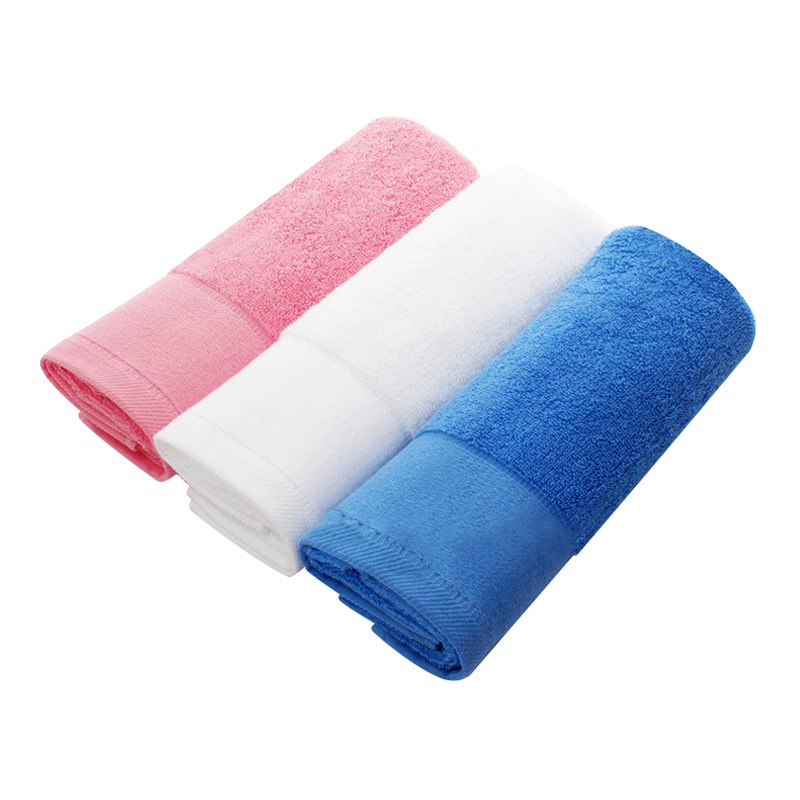
100% cotton remains the most popular bath towel material, particularly long-staple varieties like Egyptian, Pima, and Turkish cotton. Egyptian cotton features extra-long fibers that create softer, more durable towels with superior absorbency. Turkish cotton offers a balance between absorbency and quick drying, making it ideal for humid climates. Combed or ring-spun cotton yarns produce finer, softer, and more durable towels compared to basic carded cotton.
Bamboo Blends: Eco-Friendly Softness
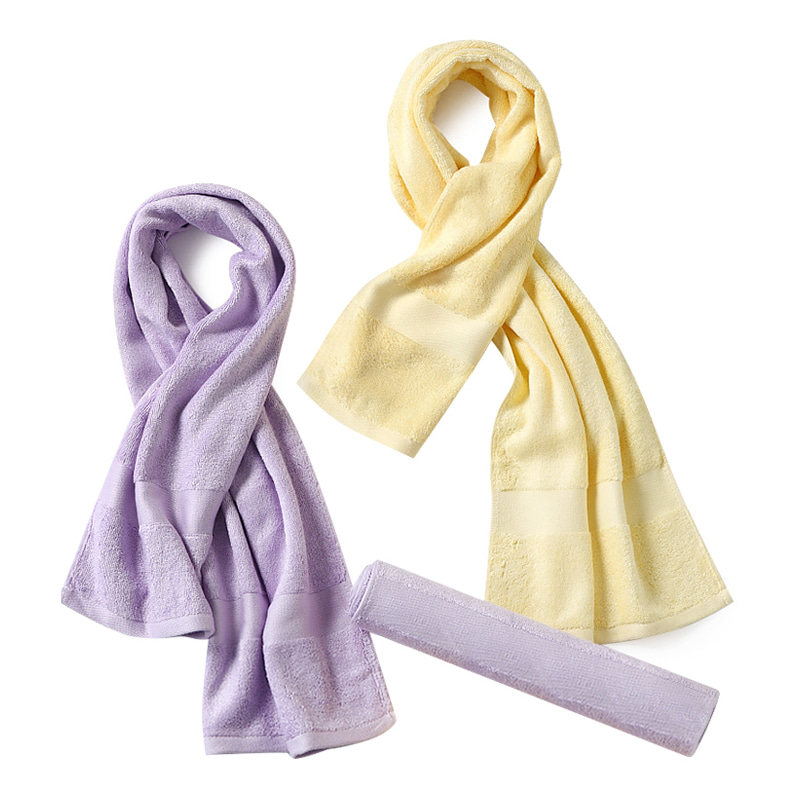
Bamboo cotton blends have gained popularity for their natural antibacterial properties and silky texture. Bamboo is less resource-intensive to grow than cotton and produces a fabric that feels cooler against the skin. However, pure bamboo towels may degrade faster with frequent washing, so cotton-bamboo blends (typically 60–70% bamboo) offer better longevity while maintaining eco-friendly benefits.
Microfiber: Quick-Dry Performance
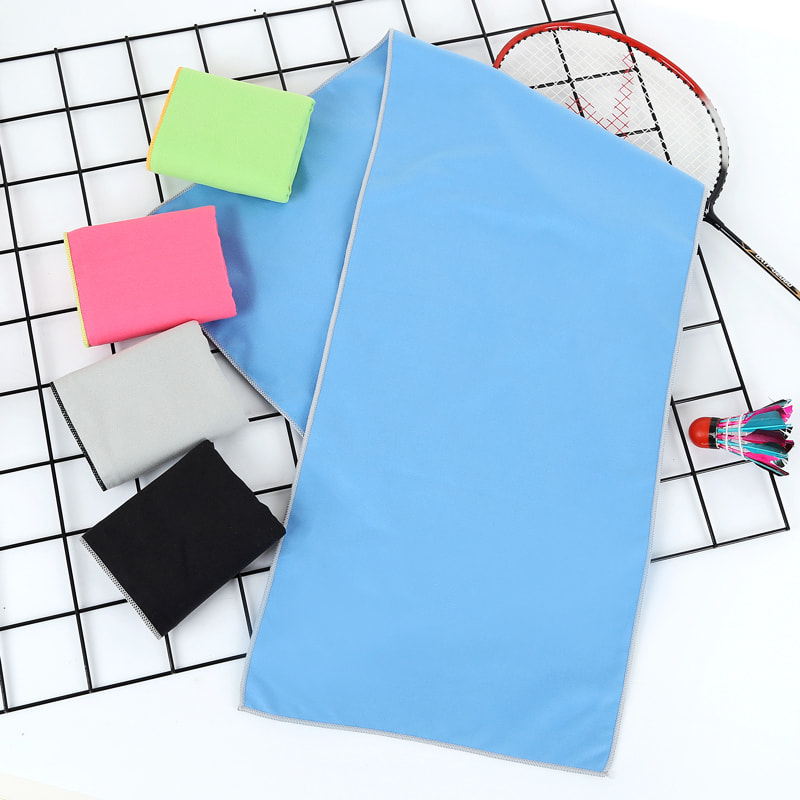
Microfiber towels (usually 80% polyester/20% polyamide) excel at quick drying and moisture-wicking, making them perfect for gym use, travel, or camping. They typically feature GSM between 200–400 and can absorb 7 times their weight in water. The trade-off is a less plush feel compared to cotton, and they require special care—no fabric softeners and hang-drying recommended to maintain fiber integrity.
| Material | Typical GSM | Absorbency | Drying Speed | Best For |
|---|---|---|---|---|
| Egyptian Cotton | 500–700 | Excellent | Moderate | Luxury daily use, sensitive skin |
| Turkish Cotton | 400–600 | Very Good | Moderate-Fast | Everyday use, travel |
| Bamboo Blend | 350–500 | Good | Fast | Eco-conscious buyers, allergy-prone skin |
| Microfiber | 200–400 | Good | Very Fast | Gym, sports, travel |
How Many Bath Towels Should Each Person Have?
The recommended standard is 2–3 bath towels per person. This allows for one towel in active use, one in the laundry, and one backup for unexpected needs. For a family of four, this translates to 8–12 bath towels total.
Factors That Affect Your Towel Count
- Laundry Frequency: If you wash towels only once weekly, you'll need more in rotation. Households washing every 3–4 days can manage with fewer.
- Towel Size: Extra-large bath towels (35"×63") dry more efficiently due to larger surface area, potentially reducing the number needed per person.
- Guest Accommodation: Keep 2–4 spare bath towels stored separately for guests to ensure a hotel-ready experience.
- Lifestyle Activities: Active individuals or swimmers may need additional towels for gym or pool use beyond standard bathroom needs.
For babies and toddlers, the calculation differs: newborns need 4–6 towels, infants 6–8, and toddlers 8–10, accounting for spit-ups, diaper changes, and frequent bathing routines.
Bath Towel Care and Hygiene Best Practices
Washing Frequency
Wash bath towels after every 3 uses maximum. Towels absorb dead skin cells, body oils, and residual soap, creating a damp environment where bacteria multiply. In humid climates or during summer, consider washing after every 1–2 uses to prevent musty odors and potential skin irritation.
Drying and Storage
Always hang towels fully open on a towel bar rather than hooks to allow proper airflow. Hooks cause bunching that traps moisture and encourages bacterial growth. Ensure your bathroom is well-ventilated; a damp towel in a humid room can take twice as long to dry. Never share bath towels among family members, as this transfers skin cells, oils, and bacteria between users.
Maintaining Absorbency
New towels often have manufacturing residues that reduce absorbency. Wash them 2–3 times before first use—once with white vinegar (no detergent) to strip coatings. Avoid fabric softeners entirely; they coat fibers and create water-repellent buildup over time. If older towels have lost absorbency, restore them by washing in hot water with half a cup of white vinegar to remove detergent residue.
Frequently Asked Questions About Bath Towels
Can I use a bath towel blanket as a regular bath towel?
Yes, but expect trade-offs. Bath towel blankets are larger and often thinner, making them excellent for wrapping and lounging but potentially less absorbent than dedicated terry cloth bath towels. If you prefer full-body coverage and don't mind slightly longer drying times, a bath sheet can replace a standard towel effectively.
Why do new towels repel water instead of absorbing it?
Manufacturers often apply silicone softeners or waterproofing agents during production to make towels feel plush in stores. These coatings repel water initially. Washing 2–3 times with vinegar strips these finishes and activates the cotton's natural absorbency.
Is Egyptian cotton worth the higher price?
For daily luxury use, yes. Egyptian cotton's extra-long staple fibers create towels that become softer with each wash while maintaining structural integrity for years. A 600 GSM Egyptian cotton towel used properly can last 5–7 years, making the cost-per-use comparable to cheaper towels that need replacement every 1–2 years.
How do I know if my towel is too old to use?
Replace towels when they show persistent musty odors even after washing, visible fraying or thinning, or reduced absorbency that vinegar washing cannot restore. Most quality cotton towels last 2–5 years with proper care; microfiber towels may need replacement sooner due to fiber breakdown.
LATEST POST
Let’s create something amazing together
contact usFeatured Products

-
Phone
+86-0513-84186888/84523388
+86 180 1522 2999
-
Email
admin@bulanren.cn
-
Address
No. 128-8 Taihangshan Road, Rudong Economic Development Zone, Juegang Town, Nantong City, Jiangsu Province, China
- Media


