


 中文简体
中文简体 Español
 日本語
日本語 0
0
Can face towels be dried in the sun?
1. Yes, but in moderation: Sunlight is the most natural disinfectant, and ultraviolet rays can effectively kill bacteria. Drying in the sun, especially for a short time in the morning or at noon, can effectively remove bacteria and mites from face towels, reducing the risk of skin allergies.
2. Time control: The drying time should not be too long. Prolonged exposure to strong sunlight, especially for colored or printed face towels, may cause fading or pattern deformation. It is recommended to dry them in a sunny but not intensely hot period, or simply let them dry quickly in the sun for 10-15 minutes.
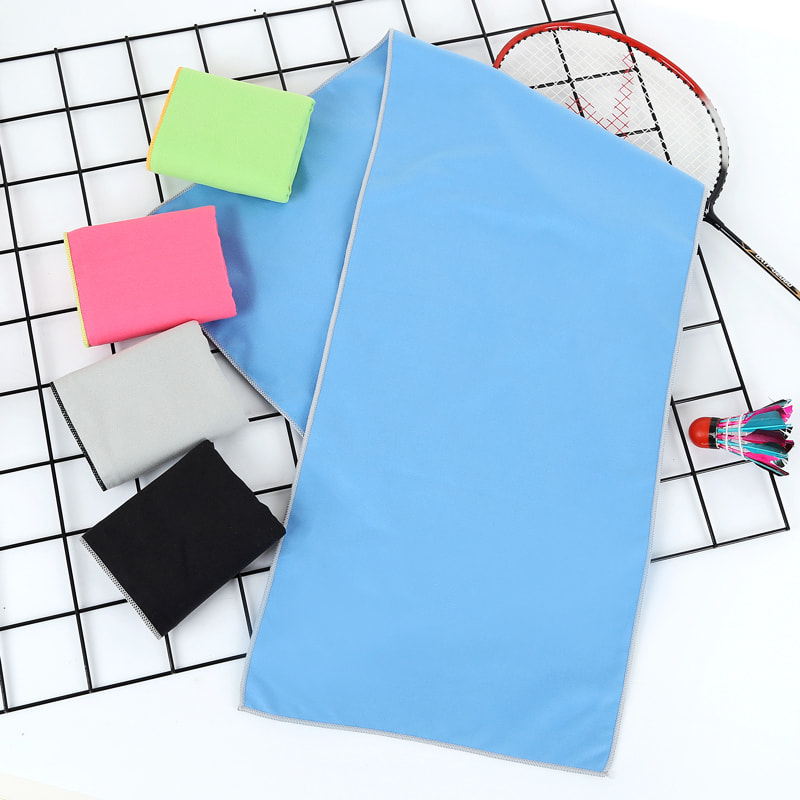
3. Material considerations: For pure cotton and bamboo fiber face towels, sun drying is not only harmless but also more hygienic. However, for microfiber face towels, due to their delicate material, prolonged sun exposure may accelerate fiber aging. It is recommended to dry them in a well-ventilated, shady place.
What are the precautions for drying different materials of face towels?
The material determines the drying method and care focus.
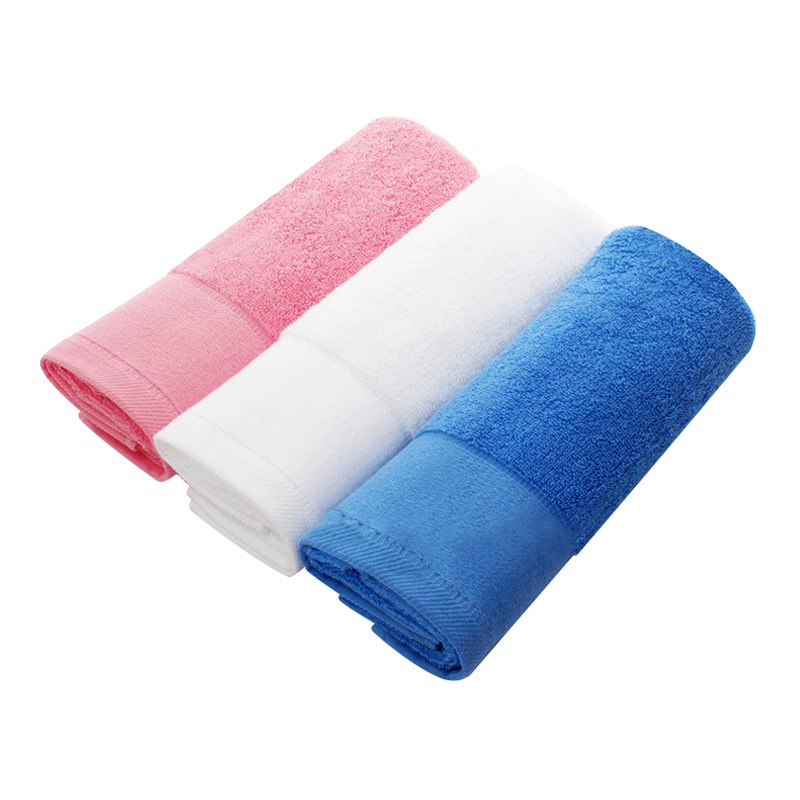
1. Pure Cotton face towels: This is the most common and sun-resistant material. Pure cotton has strong water absorption and easily regains its fluffiness after drying. Sunlight helps remove bacteria. It is recommended to flip the towel over after drying to prevent one side from becoming stiff.
2. Microfiber face towels: Although they absorb water and dry quickly, microfiber materials are sensitive to temperature. Prolonged direct sunlight can cause the fibers to stiffen and lose elasticity. Therefore, microfiber face towels are more suitable for drying in a cool, well-ventilated place, avoiding sun exposure that can cause the material to harden.
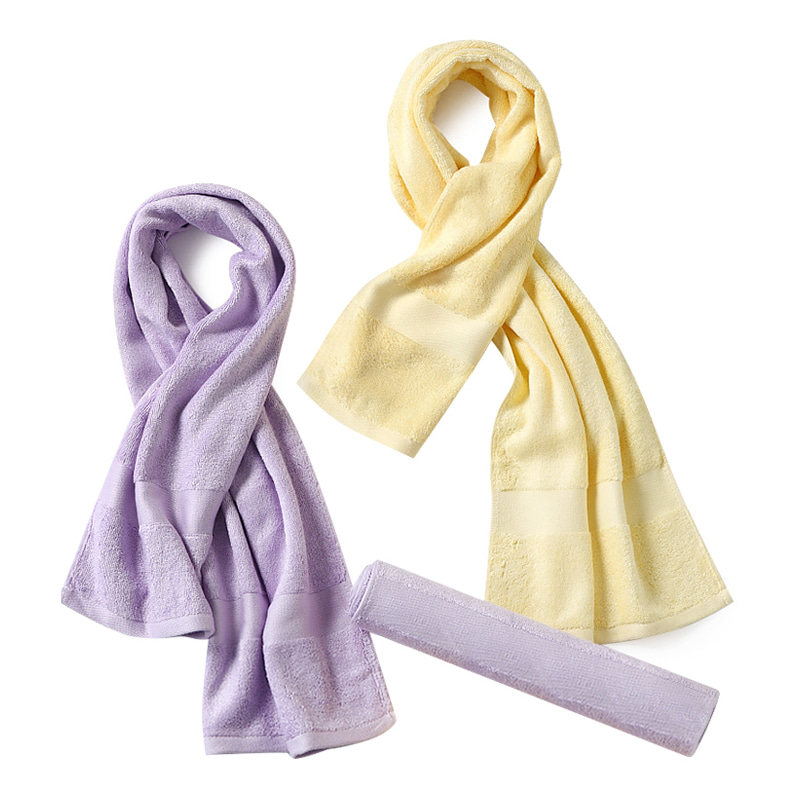
3. Bamboo Fiber face towels: These have natural antibacterial properties, and sun drying can further activate their antibacterial characteristics. However, bamboo fiber is extremely absorbent, and excessive sun exposure after drying may cause the fibers to yellow, affecting their appearance. It is recommended to dry them quickly in the sun, then transfer them to a shady place to dry completely.
LATEST POST
Let’s create something amazing together
contact usFeatured Products

-
Phone
+86-0513-84186888/84523388
+86 180 1522 2999
-
Email
admin@bulanren.cn
-
Address
No. 128-8 Taihangshan Road, Rudong Economic Development Zone, Juegang Town, Nantong City, Jiangsu Province, China
- Media


