


 中文简体
中文简体 Español
 日本語
日本語 0
0
How to fold hand towels?
Content
- 1 How to Make Hand Towels Softer and Lint-Free: The Quick Answer
- 2 Why Hand Towels Become Rough and Linty Over Time
- 3 Step-by-Step Guide to Getting Softer, Lint-Free Hand Towels
- 4 Choosing the Right Hand Towel Material for Softness
- 5 What Are the Different Hand Towel Folds?
- 6 How Hand Towel Quality Affects Fold Performance
- 7 About Busy Man Textile: A Trusted Hand Towel Manufacturer
- 8 FAQ: Hand Towels Softness, Lint, and Folding
How to Make Hand Towels Softer and Lint-Free: The Quick Answer
To make hand towels softer and lint-free, wash them with white vinegar instead of fabric softener, use a lower dryer temperature, and avoid over-drying. New towels should be washed 2–3 times before first use to remove excess lint. These simple steps can reduce lint shedding by up to 80% and restore fluffiness even to older towels.

Why Hand Towels Become Rough and Linty Over Time
Understanding why towels lose softness helps prevent it. There are three main culprits:
- Detergent buildup: Excess detergent coats fibers and makes them stiff. Most people use 2–3× more detergent than needed.
- Fabric softener residue: Ironically, liquid fabric softeners leave a waxy film that reduces absorbency and traps lint.
- High heat drying: Temperatures above 60°C (140°F) break down cotton fibers, causing excessive shedding and a rough texture.
- Hard water minerals: Calcium and magnesium deposits stiffen fibers, especially in areas with water hardness above 120 mg/L.
High-quality towels from reputable manufacturers — like those produced by Jiangsu Busy Man Textile — use combed cotton yarns that resist pilling and maintain softness wash after wash, provided proper care is followed.
Step-by-Step Guide to Getting Softer, Lint-Free Hand Towels
1. Pre-Wash New Towels Correctly
New towels — particularly those made from ring-spun or terry cotton — contain loose fibers from manufacturing. Wash new hand towels 2–3 times in warm water (40°C / 104°F) before first use. Add ½ cup of white vinegar to the first wash instead of detergent to set the fibers and prevent lint.
2. Use Less Detergent and Skip the Fabric Softener
Use only half the recommended detergent amount. For softness, replace fabric softener with ½ cup of white distilled vinegar added to the rinse cycle. Vinegar naturally breaks down soap residue and mineral deposits without leaving any scent once dry.
3. Dry at Low to Medium Heat
Set your dryer to low heat (around 40–50°C / 105–120°F). Toss in 2–3 clean dryer balls (wool or rubber) to physically fluff fibers as they tumble. Remove towels while still slightly damp — about 90% dry — and shake them out before air-drying the last 10%. This prevents over-drying stiffness.
4. Wash Towels Separately
Washing towels with clothing — especially dark garments or synthetics — transfers lint. Always wash hand towels as a dedicated load. Separate light and dark colored towels to prevent color bleeding and cross-lint transfer.
5. Refresh Stiff Towels with a Baking Soda Reset
For towels that have already become stiff: run a hot wash cycle with 1 cup baking soda and no detergent, followed by a second cycle with ½ cup white vinegar. This combination strips buildup and resets fiber softness. Many users report towels feel "like new" after this two-step reset.
Choosing the Right Hand Towel Material for Softness
Material choice directly affects long-term softness and lint behavior. Here's a comparison of the most common options:
| Material | Softness | Lint Level | Durability | Best For |
|---|---|---|---|---|
| Egyptian Cotton | ***** | Low (after break-in) | High | Luxury home use |
| Turkish Cotton | **** | Very Low | Very High | Hotels, daily use |
| Combed Cotton | **** | Low | High | OEM / branded towels |
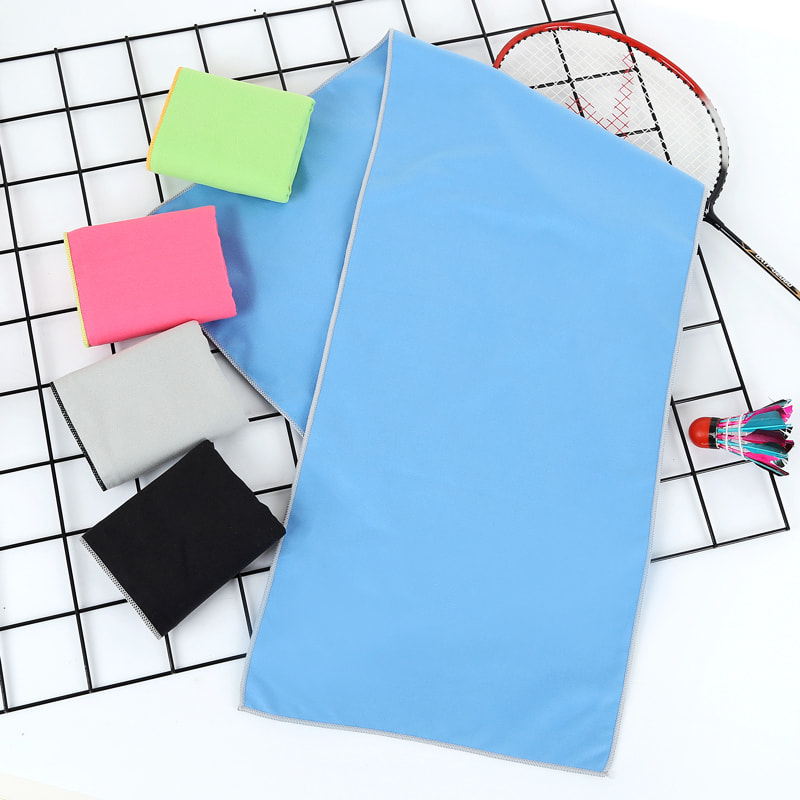
| Microfiber | *** | Minimal | Medium | Sports, travel |
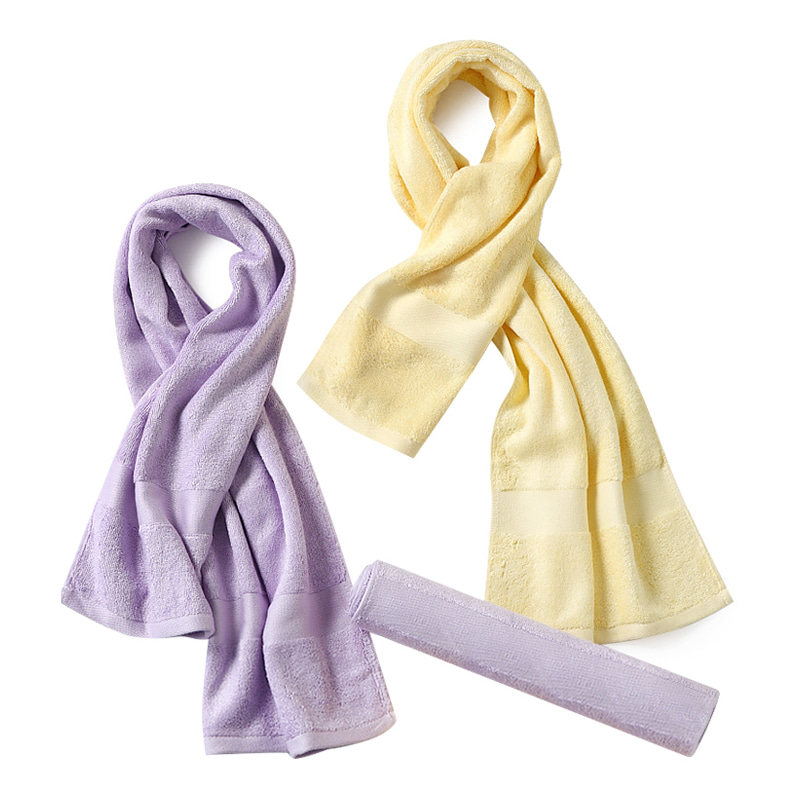
| Bamboo Cotton Blend | **** | Low | Medium-High | Eco-conscious buyers |
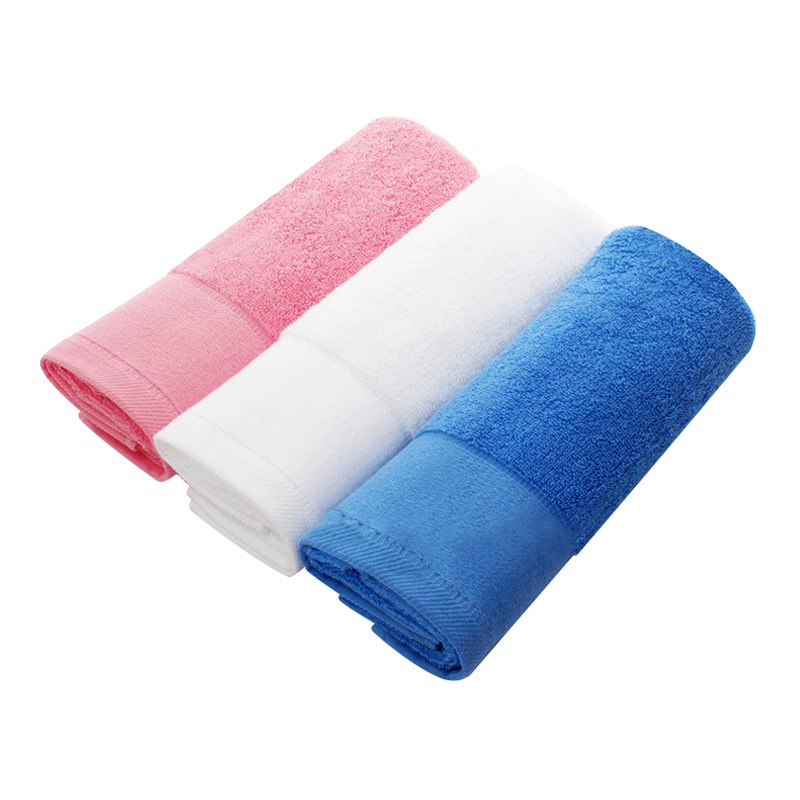
Combed cotton is the most popular choice for OEM and branded hand towels because loose fibers are removed during the combing process, resulting in naturally lower lint output and a smoother surface from the first wash.

What Are the Different Hand Towel Folds?
Hand towel folds are essential for presentation in hotels, restaurants, spas, and upscale bathrooms. The three most widely used professional folds are the C-fold, V-fold, and Z-fold — each serving a different functional and aesthetic purpose.
C-Fold (Tri-Fold)
The C-fold involves folding the towel into three equal panels so the open edges are hidden inside and the smooth folded edge faces outward. This is the standard fold used in most hotel bathrooms and public restrooms because it creates a neat, sealed packet that looks clean and is hygienic — guests pull one at a time without touching others.
- Best for: dispensers, stacked presentations on countertops
- Typical dimensions when folded: approx. 1/3 of the original towel width
- Used heavily in commercial hotel laundry settings
V-Fold (Single-Fold / Half-Fold)
The V-fold is the simplest professional fold — the towel is folded once in half lengthwise, creating a "V" shape when fanned out. This fold is favored in spa and luxury settings because it creates a wide, open display. It takes up more counter space but provides a visually elegant, welcoming appearance.
- Best for: spa countertops, decorative bathroom trays, towel bars
- Easy to execute with no special tools needed
- Often combined with a fan or roll for decorative display
Z-Fold (Accordion Fold / Interfold)
The Z-fold (also called interfold) alternates the direction of each fold — top panel folds forward, bottom panel folds backward — creating a "Z" shape in profile. This fold is designed for interleaved stacking: when one towel is pulled, the next one is automatically presented. It's extremely practical for high-traffic restrooms and reduces cross-contamination.
- Best for: commercial restrooms, office kitchens, healthcare settings
- Reduces waste: users typically take one towel at a time
- Compatible with most paper towel dispensers when used with disposable versions
| Fold Type | Panels | Visual Style | Primary Use | Hygiene Level |
|---|---|---|---|---|
| C-Fold | 3 | Compact & clean | Hotels, restrooms | High |
| V-Fold | 2 | Open & elegant | Spas, luxury baths | Medium |
| Z-Fold | 3 (alternating) | Interleaved stack | Commercial spaces | Very High |

How Hand Towel Quality Affects Fold Performance
Not all towels fold equally well. GSM (grams per square meter) is the single most important specification when choosing hand towels for display folding:
- 300–400 GSM: Thin and lightweight — suitable for Z-fold dispensers and high-volume commercial use.
- 400–550 GSM: Medium weight — ideal for C-fold hotel and hospitality use; holds its shape well.
- 550–700 GSM: Thick and plush — best for V-fold spa displays; projects a premium image.
Busy Man Textile produces hand towels across this full GSM range, with custom OEM options for GSM, color, logo embroidery, and folding specifications. Their 9,500+ sq meter production facility and daily output exceeding 15,000 pieces ensures consistent quality for bulk hotel and hospitality orders.
About Busy Man Textile: A Trusted Hand Towel Manufacturer
Jiangsu Busy Man Textile Co., Ltd., established in 2010, brings over 12 years of specialized towel manufacturing experience. The company produces a comprehensive range including hand towels, bath towels, sports towels, square towels, and cold towels — all available for OEM and custom branding.

Key highlights of Busy Man Textile include:
- 500+ brands served globally, including Procter & Gamble and Swarovski
- 2 digital printing production lines for custom-branded and decorative towels
- Exports to 30+ countries including Japan, USA, Australia, the Netherlands, and Dubai
- Passed Disney factory inspection standards — one of the most rigorous in the industry
- Winner of the 2017 "Beauty of Made in China" award
- ERP-managed production tracking for consistent quality on international brand orders
For businesses sourcing soft, lint-free hand towels at scale — whether for hotels, spas, corporate gifts, or retail — Busy Man Textile offers the production capacity, quality assurance, and customization flexibility to meet demanding global standards.
FAQ: Hand Towels Softness, Lint, and Folding
How often should I wash hand towels?
Hand towels used daily should be washed every 2–3 days. The American Cleaning Institute recommends this frequency to prevent bacteria buildup while minimizing wear from over-washing. Guest bathroom towels used less frequently can be washed weekly.
Does vinegar really make towels softer?
Yes. White distilled vinegar (5% acidity) acts as a natural acid rinse that dissolves mineral deposits and soap scum from cotton fibers. The result is noticeably softer towels without any chemical residue. The vinegar smell disappears completely once the towel dries.
What's the difference between C-fold and Z-fold towels?
The key difference is how they dispense. C-fold towels are folded with both ends tucked inside and must be pulled individually. Z-fold (interfold) towels are nested so pulling one presents the next automatically — this reduces hand contact with the stack and is more hygienic in high-traffic environments.
Why do new towels shed so much lint?
New towels — especially lower-GSM or un-combed cotton — retain short fiber ends from the weaving process. This lint shedding typically resolves after 3–5 washes. Combed cotton towels shed significantly less from the start because the combing process removes short fibers before weaving.
Can I use dryer sheets to reduce lint?
Dryer sheets can temporarily reduce static that attracts lint, but they leave a silicone-based coating on fibers that reduces absorbency by up to 50% over time. Wool dryer balls are a far better alternative — they soften towels mechanically without any chemical residue.
What GSM hand towel is best for hotel use?
The industry standard for hotel hand towels is 400–550 GSM. This range offers the right balance of absorbency, durability (withstanding 200+ industrial wash cycles), and the weight required for C-fold presentation. Luxury hotels often specify 550–600 GSM for a more premium feel.
LATEST POST
Let’s create something amazing together
contact usFeatured Products

-
Phone
+86-0513-84186888/84523388
+86 180 1522 2999
-
Email
admin@bulanren.cn
-
Address
No. 128-8 Taihangshan Road, Rudong Economic Development Zone, Juegang Town, Nantong City, Jiangsu Province, China
- Media


